
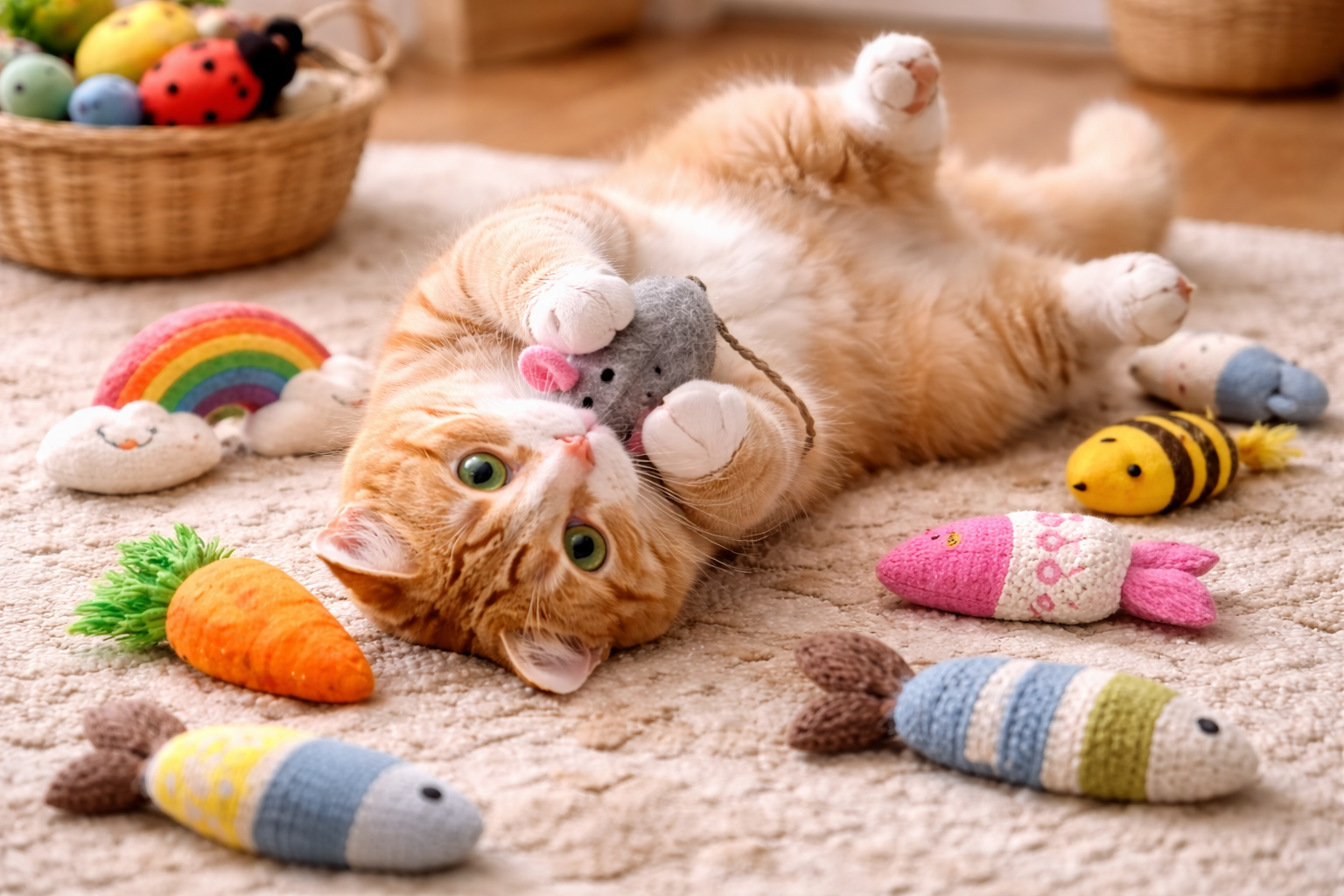
In recent years, consumers have begun to look beyond mass-produced plastic toys and toward products that feel personal, sustainable, and thoughtfully made. This shift has opened the door for artisanal production methods to re-enter modern supply chains. Among them, Custom felt toy manufacturing has emerged as a distinctive solution for brands seeking uniqueness without sacrificing scalability.
Rather than relying on rigid molds or automated assembly lines, felt toy manufacturing blends traditional handcraft techniques with modern customization needs, creating toys that tell a story before they are even played with.
Felt is not a new material, but its resurgence in the toy industry is closely tied to changing consumer values. Made from compressed fibers—often wool or recycled materials—felt is soft, durable, and naturally versatile. These qualities make it ideal for customized designs.
In Custom felt toy manufacturing, felt allows intricate shapes, stitched details, and layered textures that would be difficult or expensive to achieve with plastic or rubber. More importantly, felt carries an emotional warmth that appeals to both children and adults, especially in premium or gift-focused markets.
The process behind Custom felt toy manufacturing typically begins with a concept rather than a mold. Designers work from sketches or digital mockups, translating ideas into patterns that can be hand-cut or die-cut depending on volume.
Once patterns are finalized, skilled workers assemble each toy through stitching, shaping, and filling. This hands-on approach allows for subtle variations, which many brands see as a strength rather than a flaw. Custom colors, sizes, facial expressions, and branding elements can be incorporated without retooling entire production lines.
This flexibility is one of the strongest advantages of felt-based manufacturing.
 Meeting Modern Brand Customization Needs
Brands today want more than generic products. They want toys that reflect their identity, values, and storytelling. Custom felt toy manufacturing supports this demand by allowing deep customization at relatively low minimum order quantities.
Whether a company wants to produce mascot toys, educational characters, seasonal items, or promotional gifts, felt manufacturing can adapt quickly. Logos can be stitched instead of printed, characters can be softened for child-safe use, and designs can evolve over time without major cost increases.
Safety plays a critical role in toy production, especially for children and pets. Felt toys are often favored because they do not rely on hard edges or toxic coatings. In responsible Custom felt toy manufacturing, non-toxic dyes, reinforced stitching, and child-safe fillings are standard requirements.
Sustainability is another key factor. Many manufacturers now use natural wool felt or recycled polyester felt, aligning with eco-conscious brand strategies. Compared to plastic toys, felt products generally have a lower environmental footprint and longer perceived lifespan.
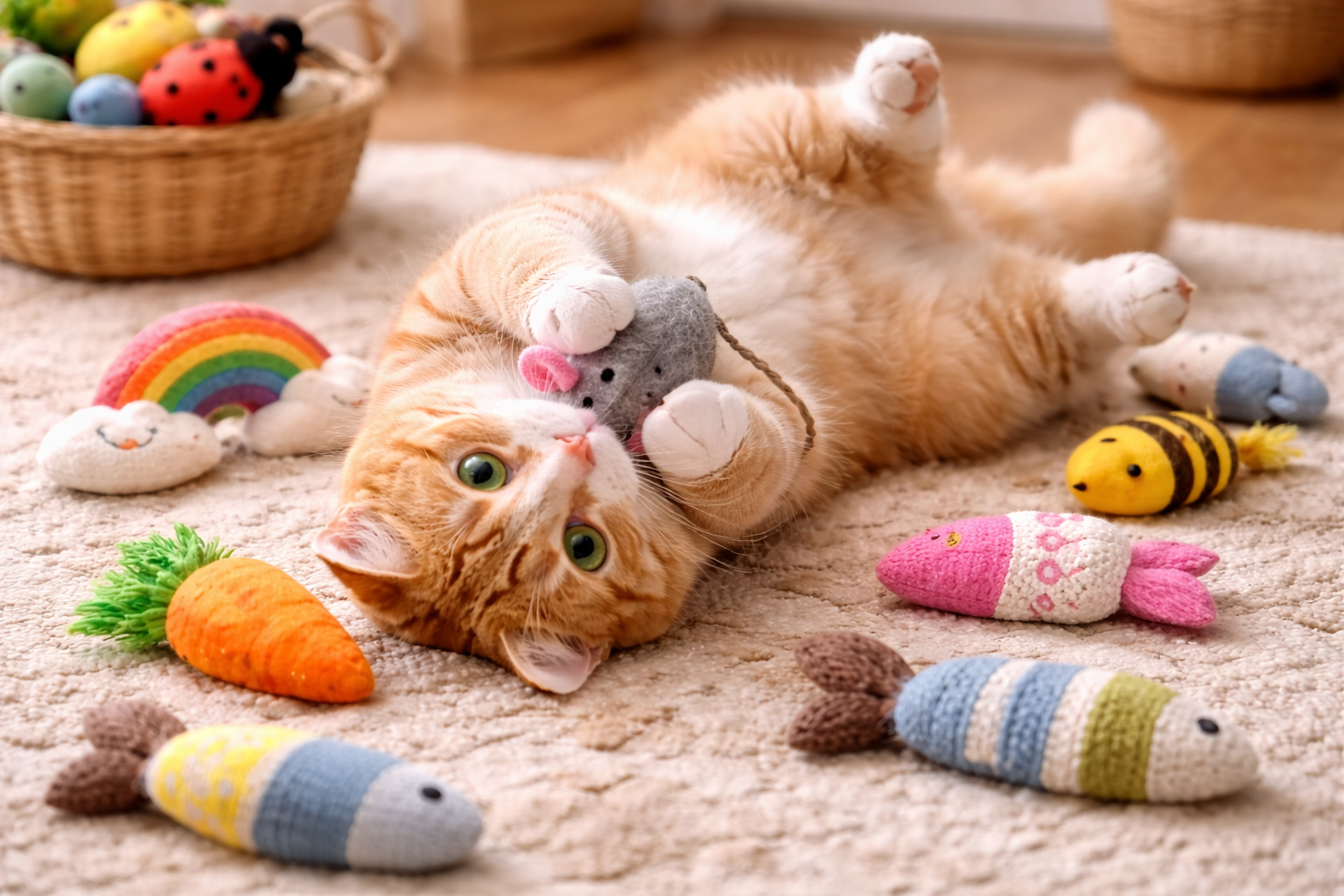
While children’s toys remain a major segment, Custom felt toy manufacturing extends far beyond that category. Felt toys are increasingly used for:
Educational tools in classrooms
Decorative seasonal products
Pet toys
Brand mascots and promotional items
This versatility makes felt manufacturing attractive to businesses in multiple industries, not just traditional toy brands.
One common concern is whether handcrafted products can scale effectively. Modern Custom felt toy manufacturing solves this by combining skilled labor with standardized workflows. While each item may involve hand assembly, processes are optimized to ensure consistency, quality control, and predictable delivery timelines.
Manufacturers often divide production into stages, allowing higher output without compromising craftsmanship. This balance between handmade quality and operational efficiency is what sets professional felt manufacturers apart from hobby-level production.
Quality in felt toys is not just about appearance—it’s about durability and user experience. Well-manufactured felt toys maintain shape, resist tearing, and age gracefully. In Custom felt toy manufacturing, quality control typically includes material inspection, stitch strength testing, and final product review.
For brands, this translates into fewer returns, better customer reviews, and stronger brand trust over time.
Market trends show that consumers increasingly value authenticity and craftsmanship. Toys made through Custom felt toy manufacturing align perfectly with these expectations. They feel intentional rather than disposable, which resonates strongly in premium, educational, and eco-friendly markets.
As competition increases, differentiation becomes critical—and felt customization offers a tangible way to stand out.
In a market saturated with identical products, meaningful design matters. Custom felt toy manufacturing offers brands the opportunity to combine creativity, safety, sustainability, and flexibility in a single production approach. By focusing on craftsmanship and customization, companies can deliver toys that are not only functional but emotionally engaging.
As consumer values continue to evolve, felt manufacturing is no longer a niche—it is becoming a strategic choice.
Tel: Phone / WhatsApp: +86 13718368168
Email: Email: info@fukapets.com

 KR
KR JP
JP EN
EN