
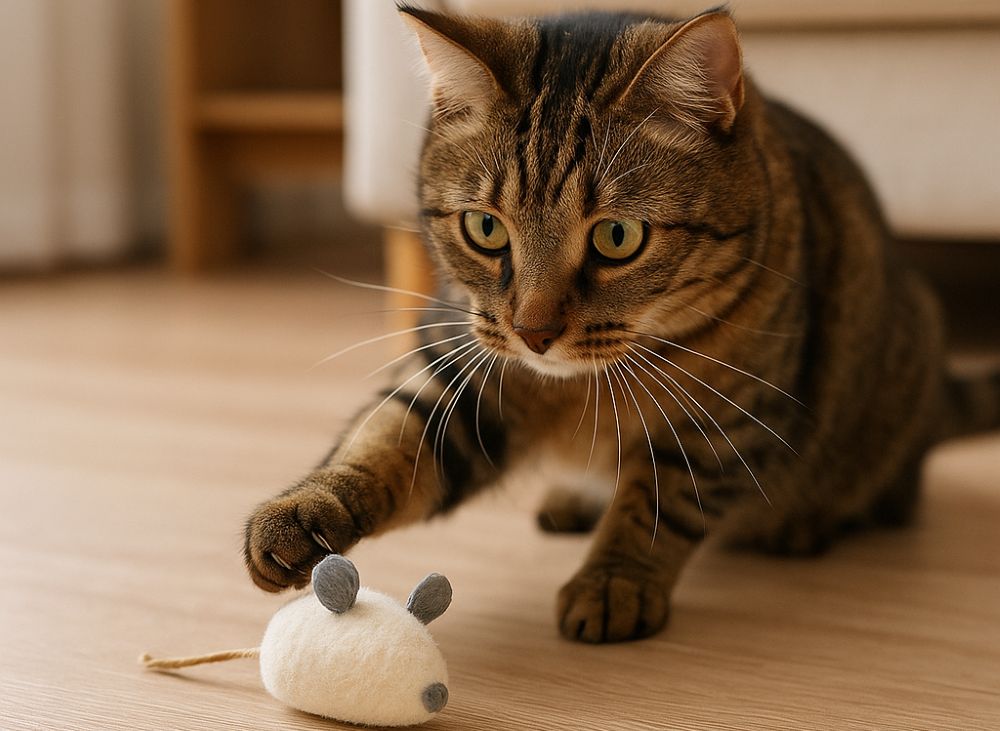
As more people shift to busy urban lifestyles, cats are spending increased amounts of time at home without direct interaction. While cats are often portrayed as independent, they still rely heavily on stimulation, movement, and environmental enrichment. This is why well-designed toys for cats to play by themselves have become one of the most valuable categories in today’s pet industry. These toys empower indoor cats to explore, chase, hunt, and stay mentally active—even when their owners are away for long hours.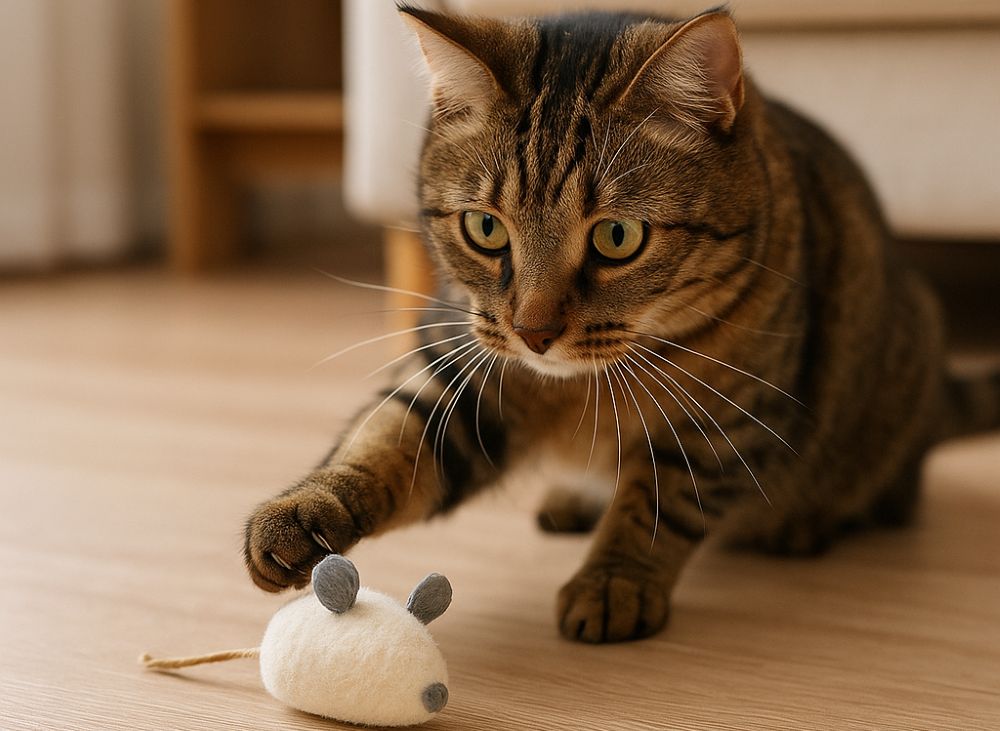
Indoor cats face unique challenges that can affect their emotional and physical health. Without opportunities to express natural behaviors like stalking, pouncing, scratching, or problem-solving, cats may develop boredom, stress, overeating habits, or destructive behavior. Providing high-quality toys for cats to play by themselves can significantly reduce these risks by transforming their living space into a stimulating environment filled with mini adventures.
One major advantage of self-play toys is their ability to mimic prey behavior. Rolling balls, wobbling stands, spring-loaded feathers, insect-shaped toys, and random-motion features create unpredictable movement that activates a cat’s hunting instinct. This instinctive engagement not only satisfies curiosity but also encourages healthy exercise. Regular interaction with motion-based toys helps maintain muscle tone, improve reflexes, and reduce weight-related problems.
Texture also plays a critical role in feline enrichment. Felt mice, plush critters, crinkle toys, and natural fiber rolls offer tactile variety, giving cats different sensory experiences. Many lonely or anxious cats use soft toys as comfort objects, especially when infused with catnip or silvervine. The best toys for cats to play by themselves combine durable textures with appealing scents or sounds to create a richer multi-sensory play session.
Puzzle toys contribute another layer of enrichment by stimulating cognitive skills. Treat-release balls, sliding puzzles, and sniffing mats challenge cats to think, strategize, and take small rewarding steps. Mental stimulation through puzzle-based toys for cats to play by themselves helps reduce anxiety, prevents boredom, and keeps the cat engaged for longer periods. These toys are especially beneficial for intelligent or energetic cats who become restless when left alone.
Noise control is an additional factor in choosing effective self-play toys. Since cats often become most active at night or early morning, silent or low-noise toys allow them to stay entertained without disturbing the household. Felt balls, plush prey, and spring-based toys help maintain peaceful nighttime play while still keeping the cat engaged. Pet owners frequently choose quiet-function toys to balance enrichment with household comfort.
Durability is essential, particularly for independent-play toys used without supervision. High-quality designs use reinforced stitching, chew-resistant materials, and stable bases to prevent toys from breaking or becoming hazardous. Safe and sturdy toys for cats to play by themselves give owners confidence that their cats can enjoy vigorous play without swallowing small parts or injuring themselves. Reputable manufacturers test their products extensively to meet international safety standards.
One underestimated benefit of self-play toys is improved emotional well-being. Cats who engage with responsive toys—such as spring-mounted feathers or wobbling bases—feel a sense of control and mastery. This boosts confidence and reduces feelings of loneliness or insecurity. Independent play also helps prevent separation anxiety, making the home environment feel more dynamic and supportive.
In homes with multiple cats, interactive self-play toys help reduce tension by offering multiple “engagement points.” Each cat can choose its preferred toy without competing for human attention. This helps prevent territorial disputes and keeps all cats mentally satisfied. Variety is crucial; rotating different toys for cats to play by themselves keeps stimulation fresh and prevents boredom.
From a retail and manufacturing perspective, this category continues to grow rapidly. Consumers increasingly invest in high-quality toys that offer durability, safety, and multi-function engagement. Products with replaceable feather attachments, textured prey designs, or interchangeable toy tops allow brands to expand their SKU lines easily. Social media trends—especially videos of independent-play toys—greatly boost product visibility, making this segment profitable for online sellers.
Sustainability also influences modern purchasing decisions. Many brands now use recycled materials, natural fibers, and eco-friendly dyes in their designs. These environmentally conscious toys for cats to play by themselves appeal to green-minded consumers who want safe and responsible options for their pets. Felt toys, sisal toys, and EVA foam toys are especially popular for combining durability with sustainability.
Ultimately, independent-play toys support a healthier, more fulfilling lifestyle for indoor cats. They provide entertainment, comfort, exercise, and emotional balance—all essential for long-term well-being. By selecting thoughtful toys for cats to play by themselves, owners empower their cats to thrive independently and create joyful, mentally stimulating experiences even in solitary moments.
Tel: Phone / WhatsApp: +86 13718368168
Email: Email: info@fukapets.com

 KR
KR JP
JP EN
EN