
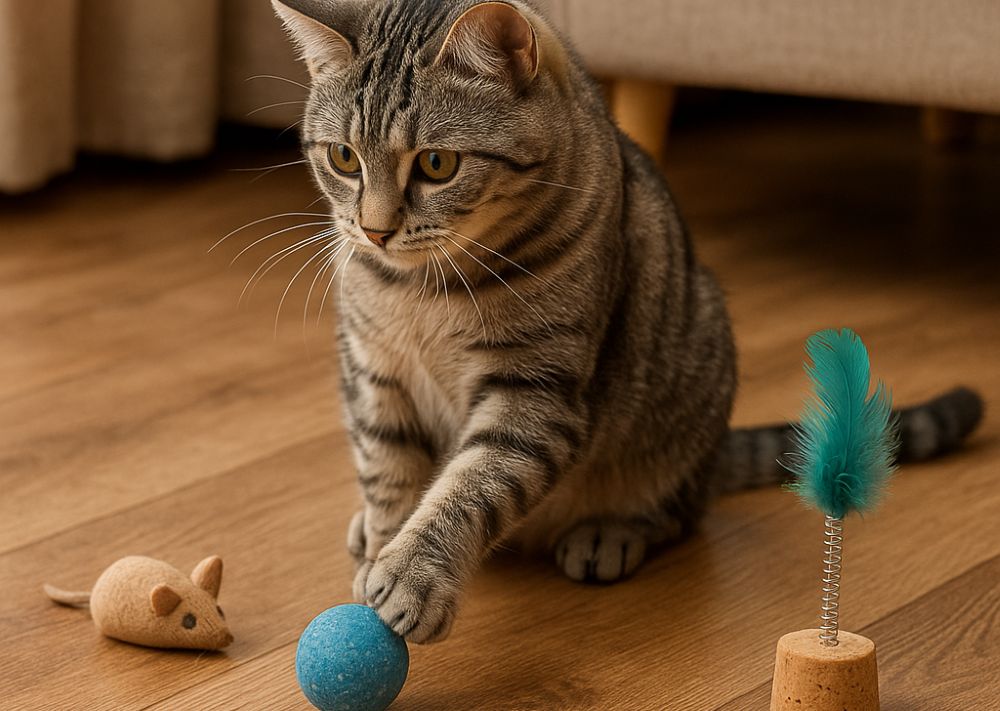
For many modern pet owners, balancing work, travel, and daily responsibilities often means their cats spend long periods at home without direct interaction. This growing reality has shifted consumer interest toward high-quality toys for cats to play alone, which allow indoor cats to exercise, explore, and stay mentally stimulated even in their owner’s absence. These toys are more than entertainment—they support emotional wellness, prevent boredom-related behaviors, and enrich a cat’s daily routine in meaningful ways.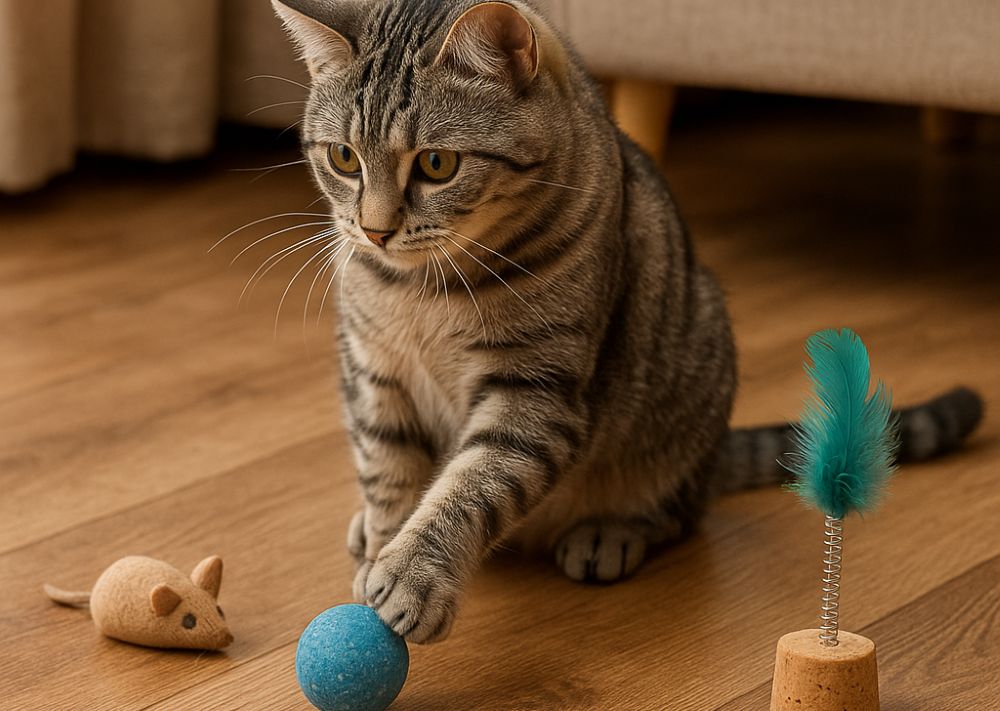
Indoor cats rely heavily on environmental stimulation to satisfy their natural instincts. When cats lack opportunities to chase, pounce, scratch, or problem-solve, their behavior may change subtly or dramatically. Overeating, excessive grooming, vocalizing, and destructive scratching are all indicators that a cat may not be receiving enough enrichment. Well-designed toys for cats to play alone help redirect this unmet energy into healthy activity and calm exploration.
One of the biggest advantages of independent-play toys is that they simulate prey-like movement. Rolling balls, wobble toys, spring-mounted feathers, felt bugs, and rotating attachments mimic the unpredictable motion of insects or small animals. This encourages cats to chase, bat, hunt, and leap—activities essential for physical and emotional balance. When a cat can engage in natural hunting behavior without human involvement, it maintains confidence, releases stress, and avoids long periods of inactivity.
Another important category of toys for cats to play alone is texture-based toys. Felt mice, plush prey, crinkle insects, natural fiber rolls, and soft catnip bags provide sensory feedback that cats find deeply satisfying. These textures mimic fur, rough prey surfaces, or rustling movements, stimulating curiosity and creating emotional comfort. Some lonely or anxious cats may even treat plush toys as companions, helping to reduce stress when home alone.
Puzzle toys also play a major role in independent enrichment. Treat-dispensing toys, sliding puzzles, sniffing mats, and multi-step challenges activate cognitive functions, keeping a cat’s mind busy during long hours of solitude. Puzzle-based toys for cats to play alone are especially popular among owners who want to prevent boredom, promote intelligence, and encourage small bursts of self-guided activity throughout the day.
Noise level is another important consideration. Since cats often play during dawn, dusk, or nighttime, quiet-function toys are ideal for homes where humans need uninterrupted rest. Silent rolling toys, soft felt prey, and bounce-back feathers support a cat’s natural play schedule without disturbing anyone. Many consumers specifically search for toys for cats to play alone that are effective, durable, and quiet.
Durability and safety are critical factors because independent-play toys are used without supervision. High-quality toys use secure stitching, non-toxic materials, reinforced joints, and chew-safe components. This ensures that cats can enjoy vigorous play without risk of swallowing small parts or damaging fragile attachments. Reputable suppliers focus heavily on safety testing, making them valuable partners for brands that want to sell reliable and long-lasting products.
Environmental sustainability is another rising trend. Many pet owners prefer toys made from felt, natural fibers, EVA foam, or recycled materials. These eco-friendly options appeal to consumers who want enrichment tools that are safe for their cats and gentle on the environment. Lightweight and sustainable toys for cats to play alone also offer cost-effective logistics for e-commerce sellers.
In multi-cat households, independent-play toys help reduce tension by offering multiple activity points. Instead of competing for a human’s attention, cats can choose different toys based on their preferences. One may enjoy batting a feather spring, another may chase a rolling insect, and another might chew on a catnip plush. This self-guided stimulation creates harmony and prevents territorial disputes.
From a commercial standpoint, the demand for toys for cats to play alone is accelerating worldwide. These toys perform exceptionally well on platforms such as Amazon, Temu, Shopee, and Shopify because they appeal to a universal need: keeping indoor cats healthy and happy. Many suppliers now offer interchangeable attachments, replaceable feather heads, seasonal designs, and custom branding options, allowing retailers to build diverse SKU lines with strong visual appeal. Social media trends—especially videos of cats self-playing—further amplify product visibility and drive customer engagement.
Ultimately, independent-play toys are foundational to a well-balanced indoor cat lifestyle. They encourage physical exercise, reduce stress, stimulate natural instincts, and prevent loneliness-related behaviors. By investing in high-quality toys for cats to play alone, pet owners empower their cats to live more fulfilled lives, even during extended periods of solitude. The right toys turn quiet rooms into dynamic playgrounds and transform everyday alone time into meaningful enrichment.
Tel: Phone / WhatsApp: +86 13718368168
Email: Email: info@fukapets.com

 KR
KR JP
JP EN
EN