
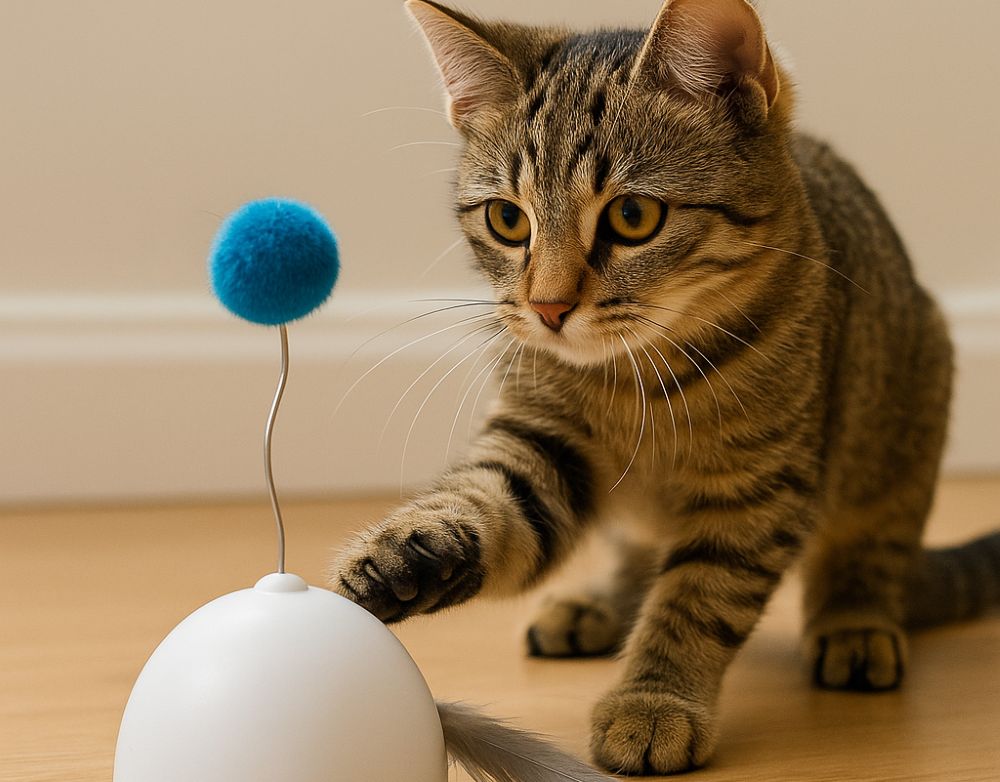
As modern lifestyles evolve, more pet owners are balancing busy work schedules, travel routines, and home responsibilities while caring for indoor cats. This shift has created a strong demand for toys designed specifically for independent feline enrichment—products that keep cats entertained, mentally stimulated, and emotionally balanced without human involvement. The cat alone - cat toy category addresses this exact need, offering a range of safe, instinct-stimulating toys that support solo play and healthier daily routines.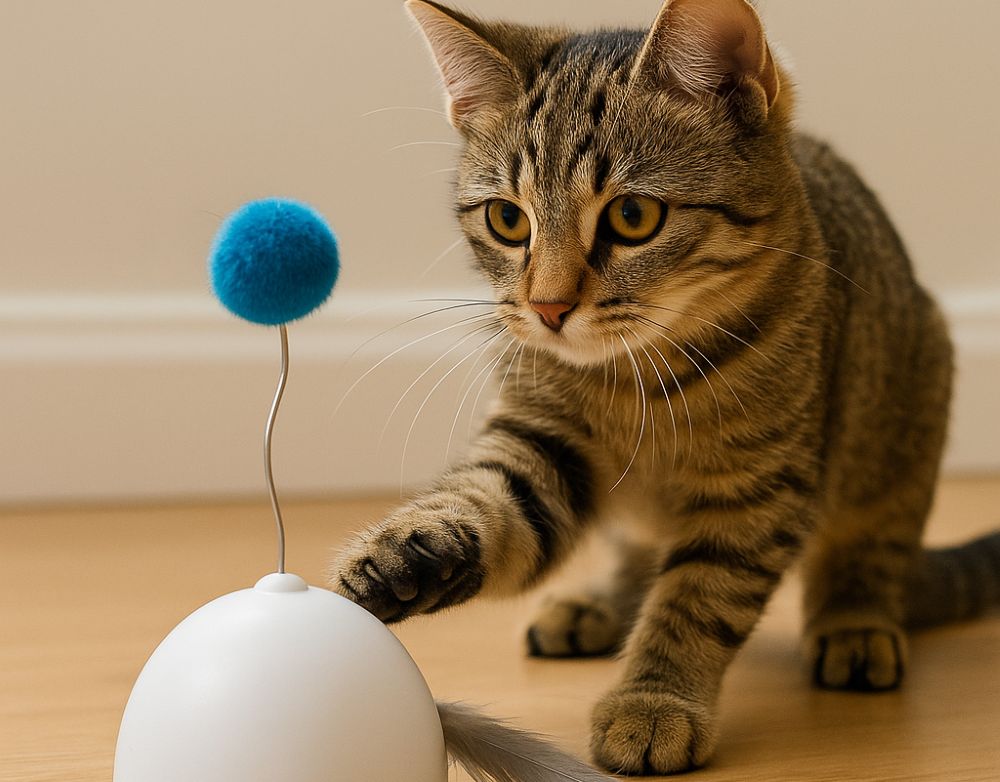
Indoor cats rely heavily on environmental enrichment to express natural instincts. When left alone for long periods, cats may experience boredom, stress, or pent-up energy, which can lead to unwanted behaviors like scratching furniture, vocalizing excessively, or overeating. A well-designed cat alone - cat toy bridges the gap between a cat’s natural hunting instincts and the limitations of indoor life. By engaging cats in chasing, batting, pouncing, or problem-solving, these toys help restore balance and reduce behavioral risks.
One of the defining strengths of a cat alone - cat toy is that it allows a cat to initiate play on its own. Compact, lightweight toys such as felt mice, bouncy balls, and spring toys respond instantly to a tap of the paw. Motion-activated gadgets, rolling balls, and wobble toys mimic prey-like movement, enticing cats into spontaneous play sessions. These toys provide crucial stimulation at all hours—especially during dawn and dusk when cats are naturally most active, yet their owners may be sleeping or away from home.
A high-quality cat alone - cat toy also emphasizes durability and safety. Manufacturers test materials to ensure they withstand repeated swatting, clawing, and chewing. Soft, non-toxic fabrics, reinforced stitching, contained mechanisms, and smooth surfaces help prevent injury or ingestion hazards. Common materials include plush fabric, natural felt, EVA foam, silicone, and catnip-infused fillings. Each material contributes to sensory engagement while upholding strict safety standards.
An emerging trend within the cat alone - cat toy category is multi-sensory design. Cats rely on sight, sound, and scent during play, so toys increasingly integrate features such as:
Crinkle textures that mimic rustling prey
Feather-like movement without actual feathers
Catnip and silvervine cores to enhance engagement
LED flashes or glow materials for nighttime play
Unpredictable rolling paths to sustain curiosity
These sensory elements prolong playtime, challenge cats mentally, and maintain novelty—an important factor because cats quickly lose interest in repetitive stimuli.
Puzzle-based toys are also strengthening the cat alone - cat toy market. Treat-dispensing balls, slow-feeding mazes, and interactive food puzzles encourage problem-solving while regulating eating habits. These toys benefit cats with anxiety, overeating tendencies, or boredom by transforming mealtimes into stimulating enrichment sessions. Behavioral experts increasingly recommend daily puzzle use to support mental health and reduce destructive behaviors.
Self-play kickers and plush toys form another essential category of cat alone - cat toy products. Kicker toys encourage cats to wrestle, bite, and bunny-kick—instinctive actions that release excess energy and tension. Plush toys filled with catnip offer comfort and excitement, while felt bug shapes or small prey replicas satisfy stalking and catching behaviors. The tactile feedback from these toys allows cats to practice natural movements safely indoors.
From a business perspective, the rising popularity of the cat alone - cat toy category presents major growth opportunities for online sellers, wholesalers, and pet brands. Multipacks, theme collections, and seasonal designs appeal to budget-conscious shoppers who want variety. Subscription-box companies rely heavily on solo-play toys because they are compact, durable, and universally appealing. E-commerce platforms like Amazon, Temu, Shopee, TikTok Shop, and Shopify show consistently high performance in listings that focus on independent-play toy bundles.
Customization options further enhance the market. Private-label brands can order cat alone - cat toy products with upgraded materials, brand colors, embroidered logos, or unique shapes. Factories often develop new molds, felt patterns, and attachment designs specifically for bulk buyers. This customization strengthens branding and prevents competitors from offering identical products.
Sustainability is also shaping the category. Many consumers now prefer eco-friendly options such as natural felt toys, cotton ropes, plant-based dyes, biodegradable packaging, or toys made from recycled materials. Brands that emphasize low-waste designs and eco-conscious production gain stronger trust from environmentally aware pet owners.
The emotional benefits of a cat alone - cat toy cannot be overstated. Solo-play toys help reduce stress, loneliness, and hyperactivity. They encourage shy cats to explore at their own pace and give high-energy cats productive outlets for their enthusiasm. Regular self-play routines improve muscle tone, coordination, and confidence. Cats that engage in daily solo play typically show improved mood stability, fewer destructive tendencies, and better sleep patterns.
To maximize enrichment, pet experts recommend rotating cat alone - cat toy options weekly. Cats are highly curious but can become bored with repetition. Offering a rotation of puzzle feeders, quiet-night toys, crinkle toys, kickers, and motion balls keeps each day stimulating and mentally rewarding. Rotations also extend the lifespan of the toy collection and maintain high engagement levels throughout the month.
Looking forward, innovation in the cat alone - cat toy category continues to accelerate. Smart toys with silent motors, rechargeable systems, scent-release modules, climbing attachments, and AI-driven movement patterns are already emerging. These technologies aim to replicate the unpredictability of real prey while remaining safe for unsupervised use.
Tel: Phone / WhatsApp: +86 13718368168
Email: Email: info@fukapets.com

 KR
KR JP
JP EN
EN