
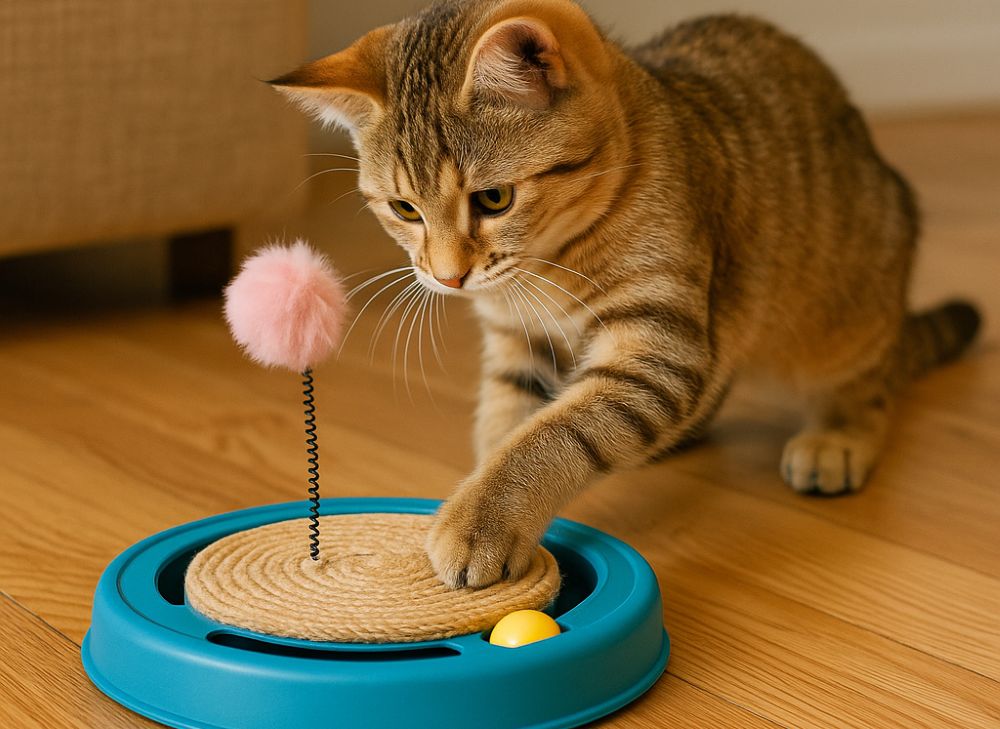
As pet owners become more knowledgeable about behavioral health, the demand for interactive toys for mental stimulation has grown dramatically. Whether for cats, dogs, or small animals, mental exercise is just as important as physical activity. Boredom and under-stimulation can lead to anxiety, destructive behaviors, overeating, and even reduced lifespan. Modern enrichment toys are designed to challenge the mind, awaken natural instincts, and provide rewarding problem-solving experiences. Understanding why these toys matter—and how they benefit pets—is essential for retailers, manufacturers, and pet parents alike.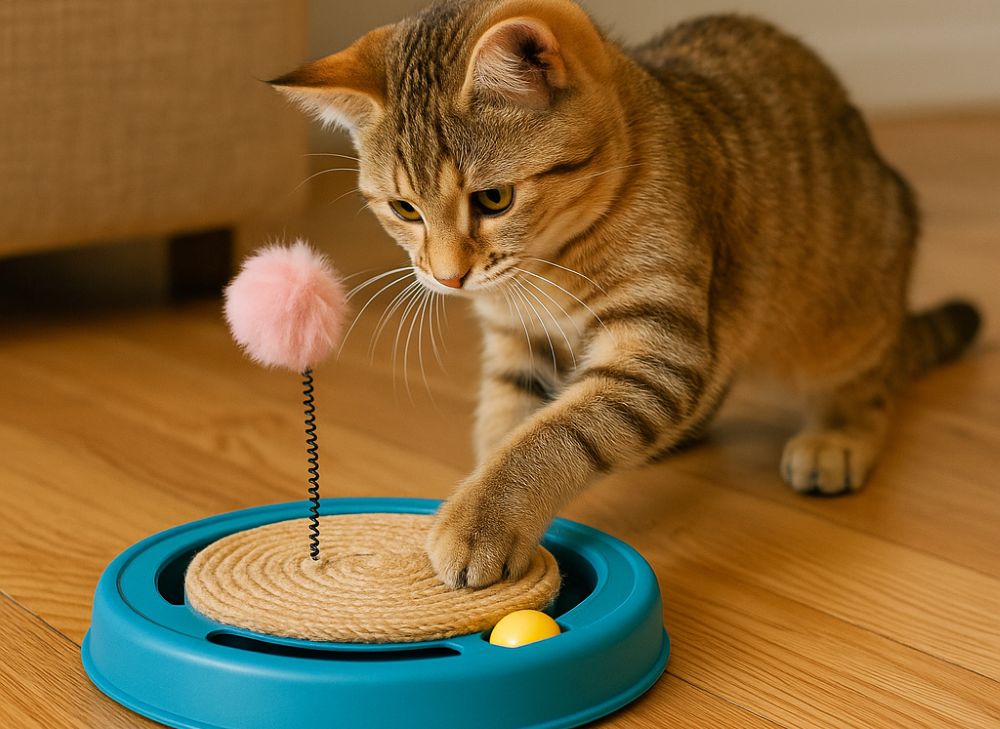
Mental stimulation is critical because animals are naturally curious and intelligent. In the wild, they spend significant time hunting, tracking scents, solving obstacles, or navigating unfamiliar environments. Indoor pets, however, enjoy comfort but lack opportunities for complex thinking. Interactive toys for mental stimulation fill this gap by introducing tasks that require coordination, concentration, and decision-making. These toys simulate natural problem-solving and keep pets mentally sharp as they age.
One of the strongest advantages of interactive toys for mental stimulation is their ability to reduce boredom-related anxiety. Many behavioral problems—such as destructive chewing, scratching furniture, excessive barking, or late-night restlessness—come from insufficient mental engagement. Puzzle toys, maze feeders, treat-dispensing balls, and motion-activated toys help redirect a pet’s energy into productive play. By offering challenges with achievable rewards, these toys provide satisfaction while reinforcing positive behaviors.
Modern enrichment toys come in many forms, each targeting different cognitive skills. Puzzle feeders encourage strategic thinking as pets figure out how to unlock treats. Track-based toys stimulate reflexes and anticipation. Sensor-triggered gadgets promote curiosity by responding to movement. Scent-based toys encourage exploration and activate the olfactory senses. The wider the variety of interactive toys for mental stimulation, the more effectively a pet’s different mental pathways are strengthened.
Another major benefit is improved emotional stability. Pets that regularly engage with mentally stimulating activities tend to show fewer stress-related symptoms. For example, cats benefit from toys that mimic hunting patterns; dogs thrive on toys that encourage scent tracking or problem-solving; and small animals like rabbits or ferrets enjoy toys that promote digging or exploring. Owners who provide interactive toys for mental stimulation often notice calmer, happier, and more confident pets.
Enrichment toys are particularly important for indoor cats, who rely heavily on simulated hunting experiences. Toys that move unpredictably, flutter, roll, or hide treats encourage natural predator behavior. Mental stimulation helps prevent depression and improves overall quality of life. For energetic dogs, puzzle-based toys reduce hyperactivity and encourage patience. These benefits showcase the universal importance of interactive toys for mental stimulation across species.
Durability is another key factor. Because mentally stimulating toys must withstand repeated pawing, chewing, pushing, and scratching, high-quality materials are essential. EVA foam, reinforced plastic, felt composites, silicone, and natural fabrics are frequently used to ensure longevity. Brands that emphasize strong materials while maintaining safe, non-toxic standards often gain trust quickly. Durable interactive toys for mental stimulation provide long-lasting value and reduce replacement frequency for owners.
Another trend driving growth is the shift toward eco-friendly products. Many pet parents prefer toys made from recycled plastics, bamboo fibers, wool felt, or natural rubber. Environmentally responsible designs appeal to households wanting sustainable options without sacrificing enrichment value. These toys offer cognitive benefits while aligning with broader lifestyle values.
From a commercial standpoint, the keyword interactive toys for mental stimulation has high SEO value. Searches often come from highly motivated buyers—pet owners actively seeking solutions to behavioral challenges or wanting to enhance enrichment routines. Creating long-form guides, category descriptions, or comparison articles around this keyword helps brands capture premium organic traffic. Combining related long-tail keywords such as “puzzle toys for pets,” “interactive cat enrichment,” or “dog mental stimulation toys” expands visibility and improves ranking potential.
Age-specific enrichment is another important consideration. Young pets use interactive toys for mental stimulation to develop coordination and learning skills. Adult pets use them to maintain cognitive sharpness and reduce anxiety. Senior pets especially benefit from gentle puzzles that prevent cognitive decline, similar to how humans use brain games to stay mentally active. This makes mental stimulation toys a valuable lifetime investment.
Toy rotation further enhances engagement. Pets tend to lose interest when a single toy remains in the environment too long. Rotating different types of mentally stimulating toys weekly keeps play sessions exciting and encourages continued learning. Multi-pack puzzle sets are particularly effective, offering multiple difficulty levels and varied sensory input. These packs are often top sellers in the enrichment category.
In conclusion, interactive toys for mental stimulation are essential tools for promoting cognitive health, preventing boredom, and improving emotional well-being in modern pets. As pet owners prioritize mental enrichment and behavioral wellness, demand for innovative and durable enrichment toys will continue to rise. Brands that focus on thoughtful design, safety, sustainability, and varied challenge levels will lead the future of this rapidly expanding market.
Tel: Phone / WhatsApp: +86 13718368168
Email: Email: info@fukapets.com

 KR
KR JP
JP EN
EN