
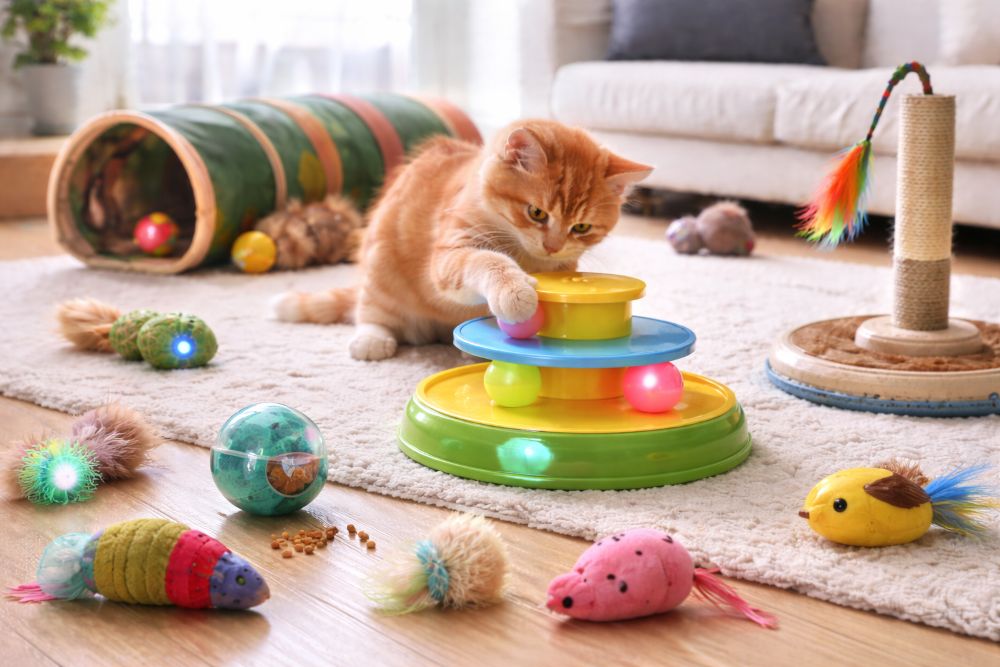
As lifestyles become busier and indoor living becomes the norm, self play cat toys have emerged as an essential category within the pet toy market. Pet owners increasingly look for solutions that keep cats entertained, active, and mentally stimulated even when humans are not available to engage in interactive play. For brands, retailers, and wholesalers, understanding the value of self play cat toys is key to meeting modern consumer expectations and capturing long-term demand.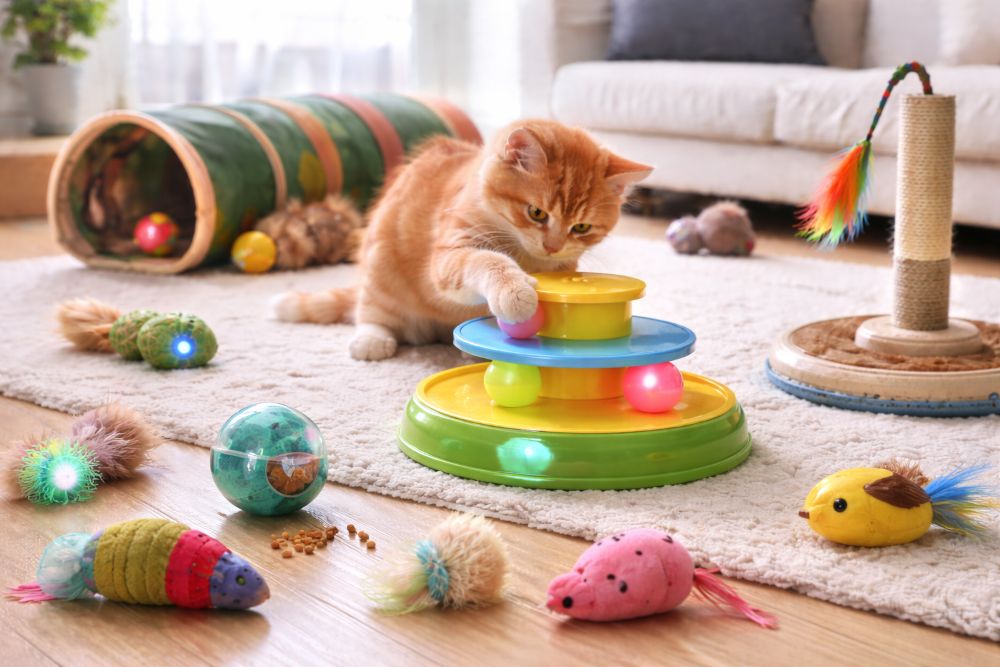
Unlike traditional toys that require owner participation, self play cat toys are designed to encourage independent exploration. These toys tap into a cat’s natural instincts—hunting, chasing, batting, chewing, and pouncing—while providing safe, repeatable entertainment. This combination of autonomy and enrichment has made self-play products a cornerstone of today’s cat toy assortments.
The growing popularity of self play cat toys is closely tied to changes in how people live and work. Many cats spend long hours alone while their owners are at work or traveling. Without adequate stimulation, boredom can lead to destructive behavior, weight gain, or stress-related issues.
Self-play toys address this challenge by offering ongoing engagement without constant supervision. From an industry perspective, self play cat toys represent a practical and emotionally appealing solution that resonates strongly with cat owners who care deeply about their pets’ well-being.
At the heart of self play cat toys is enrichment. Cats are intelligent animals that thrive on problem-solving and sensory input. Toys that move unpredictably, make subtle sounds, or respond to touch help simulate real prey behavior.
Self-play designs often include rolling balls, hanging elements, spring-loaded attachments, tunnels, and textured materials. These features encourage repeated interaction and help prevent cats from losing interest too quickly. When enrichment is built into the toy, play becomes a daily habit rather than a short-lived novelty.
Safety is a non-negotiable factor in self play cat toys. Since cats interact with these toys without human supervision, materials must be non-toxic, durable, and securely assembled. High-quality felt, reinforced polyester, sturdy plastic, and natural fibers are commonly used to balance safety with sensory appeal.
Durability is especially important. A self-play toy that breaks easily not only loses its entertainment value but also creates potential safety risks. Brands that prioritize quality construction build trust with customers and reduce returns, strengthening their reputation over time.
Not all cats play the same way, which makes variety essential in the self play cat toys category. Some cats prefer batting and chasing, while others enjoy chewing or wrestling. Offering a diverse range of self-play options ensures broader appeal across age groups, energy levels, and personalities.
From a business standpoint, variety packs and assortments of self play cat toys increase perceived value. Customers appreciate having multiple options to discover what their cat enjoys most, and this variety encourages repeat purchases and long-term engagement.
Indoor cats benefit significantly from self play cat toys. Without access to outdoor stimulation, these toys help replicate elements of the natural environment in a controlled, safe way. Movement, texture, and sound all contribute to a more dynamic indoor experience.
For single-cat households, self-play toys reduce dependence on human interaction alone. Cats can entertain themselves throughout the day, which supports both physical exercise and mental health. This makes self play cat toys especially appealing to urban pet owners.
From a commercial perspective, self play cat toys are highly scalable. They are ideal for bulk purchasing, subscription boxes, and retail assortments because they appeal to a wide audience and have consistent demand. Wholesale suppliers often offer self-play toys in mixed packs, making inventory planning simpler and more efficient.
Customization options further enhance business potential. Branded packaging, exclusive designs, and themed collections allow businesses to differentiate their offerings while maintaining the core benefits of self-play functionality.
In online markets, self play cat toys is a strong SEO keyword with high purchase intent. Consumers searching for this term are often actively looking for solutions to keep their cats entertained independently. Content that explains benefits, usage scenarios, and enrichment value performs well in search rankings and builds buyer confidence.
Educational articles, buying guides, and product descriptions centered around self play cat toys help brands establish authority while driving organic traffic. Clear messaging about independence, safety, and enrichment increases conversion rates and customer satisfaction.
The long-term appeal of self play cat toys lies in their repeatability. Unlike novelty items that lose interest quickly, well-designed self-play toys remain relevant over time. This sustained engagement reinforces value in the customer’s mind and encourages brand loyalty.
For brands, this translates into repeat sales, positive reviews, and stronger relationships with customers. In a market driven by trust and emotional connection, self-play toys deliver benefits that extend far beyond the initial purchase.
Choosing to focus on self play cat toys is a strategic decision that aligns with modern pet ownership trends. By combining safety, enrichment, and independent engagement, these toys meet the needs of both cats and their owners. For businesses, they offer scalability, strong SEO performance, and lasting customer appeal. As indoor living continues to shape the future of pet care, self-play cat toys will remain a vital and growing segment of the pet toy industry.
Tel: Phone / WhatsApp: +86 13718368168
Email: Email: info@fukapets.com

 KR
KR JP
JP EN
EN