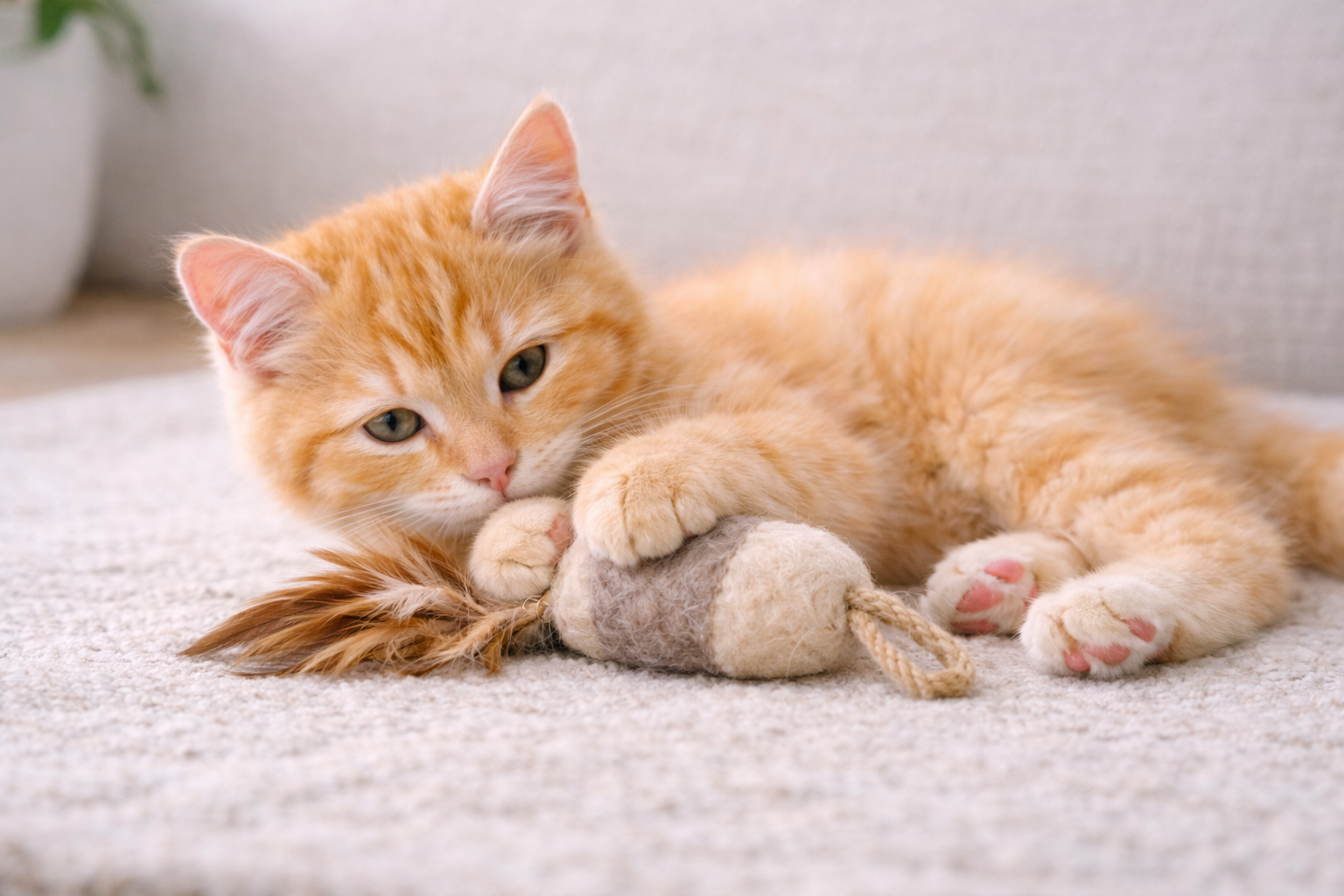
In today’s competitive global market, brands are no longer satisfied with generic, one-size-fits-all products. Consumers expect originality, safety, and thoughtful design—especially in categories like pet toys, educational toys, and lifestyle accessories. This shift has made custom felt toy manufacturing an increasingly important solution for brands seeking flexibility, sustainability, and strong product differentiation.
Felt toys occupy a unique position in manufacturing. They combine a handcrafted aesthetic with industrial scalability, allowing businesses to develop distinctive products without the high tooling costs associated with plastic or molded alternatives. As a result, custom felt production has become a strategic choice for both emerging brands and established wholesalers.
At the material level, felt offers several advantages that make custom felt toy manufacturing especially efficient. Felt—commonly made from wool, recycled fibers, or synthetic blends—has a dense yet flexible structure. It does not fray easily, holds its shape well, and can be cut into complex forms without extensive finishing.
This material stability allows manufacturers to experiment with shapes, layers, and textures while maintaining consistent quality across batches. For brands, this means creative freedom without sacrificing reliability or cost control.
One of the main reasons brands choose custom felt toy manufacturing is the low barrier to design iteration. Unlike injection-molded products, felt toys do not require expensive molds. Adjustments to size, color, stitching patterns, or internal filling can often be implemented quickly.
This flexibility supports rapid prototyping and seasonal product updates. Brands can test new concepts in smaller quantities, refine designs based on market feedback, and scale up production once demand is validated. This approach significantly reduces development risk, especially for private-label and OEM projects.
 Customization Options That Strengthen Brand Identity
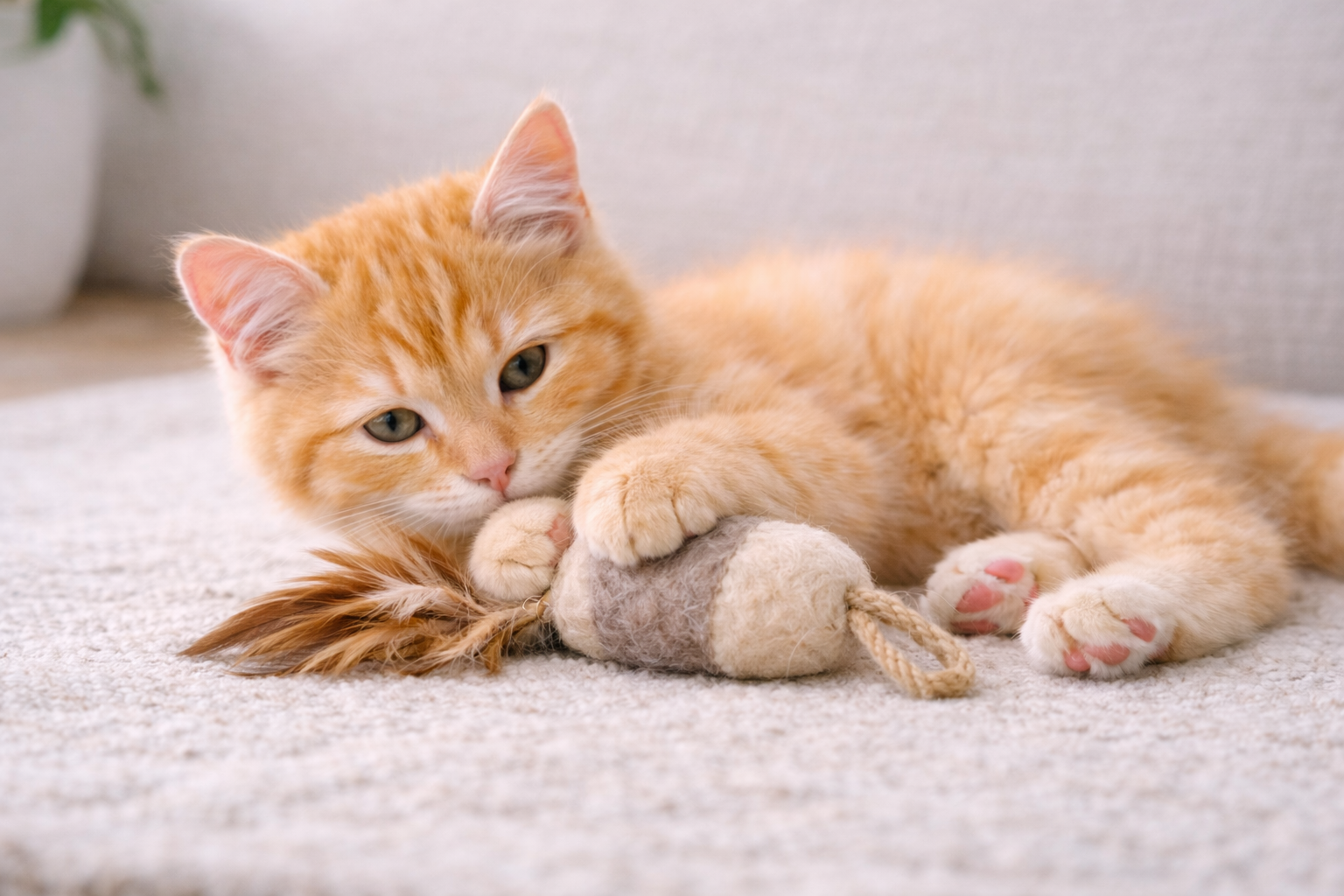
Customization goes beyond shape alone. Through custom felt toy manufacturing, brands can specify color palettes, surface textures, density levels, and decorative elements such as embroidery or layered panels. Labels, hang tags, and packaging can also be integrated seamlessly into the production process.
For pet toy brands, customization may focus on natural aesthetics, quiet play, or enrichment-driven designs. For children’s toys or educational products, emphasis may be placed on soft textures, color contrast, and safe interaction. Felt adapts easily to all of these requirements, making it a versatile base material across industries.
Safety is a top priority in toy manufacturing, particularly for products intended for pets or children. Reputable custom felt toy manufacturing processes rely on non-toxic dyes, certified materials, and construction methods that minimize risk. The absence of hard edges or brittle components further enhances safety.
Because felt toys are soft and lightweight, they are easier to certify for different markets. This simplifies compliance with international safety standards and makes felt-based products suitable for global distribution. For brands operating across regions, this consistency is a major advantage.
Sustainability is no longer a niche concern—it is a core purchasing factor. Custom felt toy manufacturing naturally aligns with eco-conscious strategies, especially when using wool felt or recycled fibers. Felt toys typically have longer usable lifespans than disposable plastic items, reducing waste and improving perceived value.
Brands can incorporate sustainability into their messaging by highlighting material choices, responsible sourcing, and reduced reliance on plastic. These values resonate strongly with modern consumers and strengthen long-term brand trust.
While felt toys often carry a handmade look, modern custom felt toy manufacturing is highly scalable. Manufacturers can standardize patterns, streamline cutting and stitching processes, and maintain tight quality control across large orders.
This scalability makes felt toys suitable for wholesale distribution, subscription boxes, promotional campaigns, and private-label programs. Businesses benefit from predictable lead times and consistent output while retaining the ability to customize designs for different clients or markets.
Although commonly associated with pet toys, custom felt toy manufacturing extends far beyond a single category. Felt is widely used in children’s toys, educational tools, decorative items, and lifestyle products. Its soft texture and visual warmth appeal to consumers seeking alternatives to mass-produced plastic goods.
In the pet industry, felt toys are valued for quiet play and natural texture. In education, they support sensory learning and imaginative interaction. In retail and gifting, felt products add a premium, artisanal feel that enhances brand positioning.
Choosing custom felt toy manufacturing is not just a short-term production decision—it is a long-term strategy. Felt-based products are adaptable, cost-efficient, and aligned with evolving consumer values. They allow brands to respond quickly to trends while maintaining a consistent identity.
As markets continue to prioritize originality, sustainability, and quality, felt toys are well positioned to remain relevant. For brands seeking dependable manufacturing partners and meaningful products, custom felt production offers a balanced path forward.
Tel: Phone / WhatsApp: +86 13718368168
Email: Email: info@fukapets.com

 KR
KR JP
JP EN
EN