
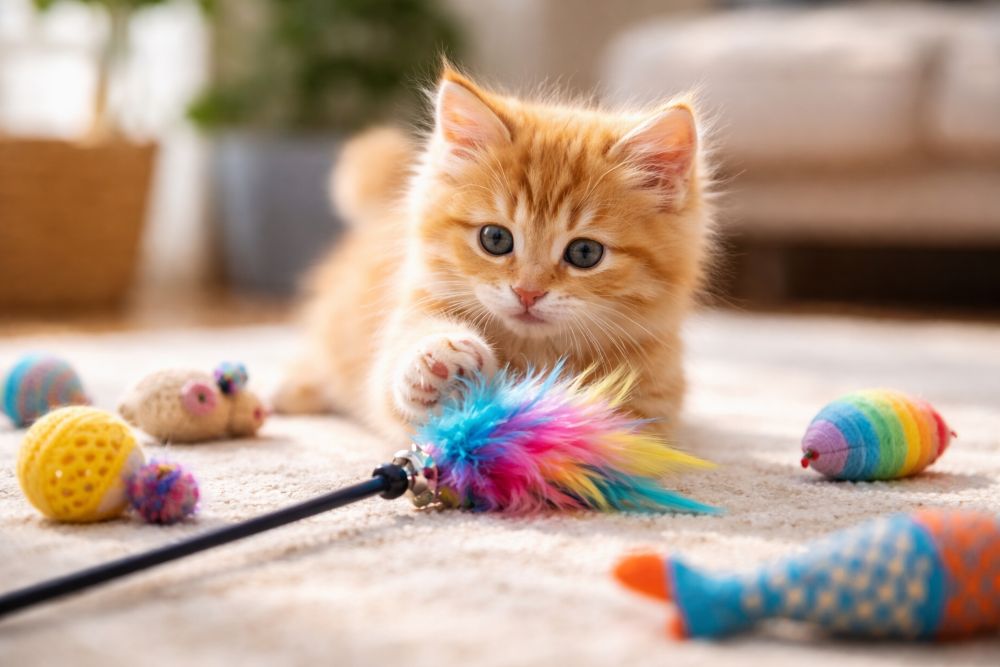
In today’s rapidly evolving pet industry, custom cat toys have become a powerful way for brands to stand out, connect with customers, and meet the growing demand for personalized pet products. Cat owners are no longer satisfied with generic toys; they seek items that reflect their cat’s personality, support enrichment, and align with their own values around safety, sustainability, and design. As a result, custom cat toys are now a key growth category for pet brands, retailers, and wholesalers worldwide.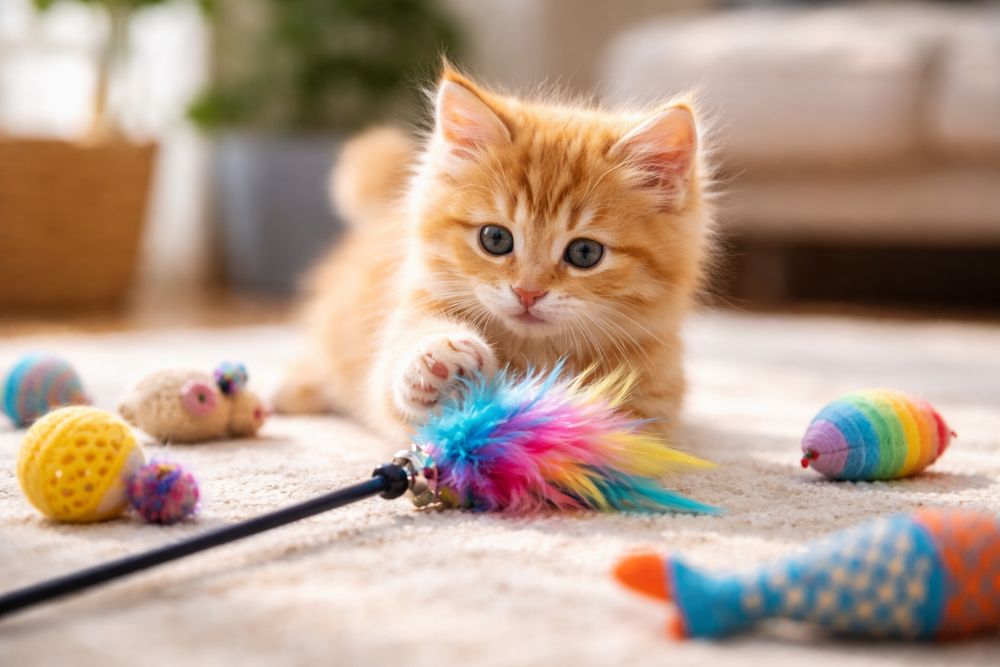
This article explores why custom cat toys are gaining popularity, how customization benefits both cats and businesses, and what factors brands should consider when developing their own customized cat toy lines.
Cats have individual play styles, preferences, and energy levels. Some prefer chasing lightweight toys, while others enjoy batting textured balls or stalking insect-shaped teasers. Custom cat toys allow brands to design products that cater to these differences, creating a more satisfying play experience for cats and stronger emotional engagement for owners.
From a consumer perspective, customized toys feel more thoughtful and premium. Whether it’s a specific material choice, a unique shape, or a tailored color palette, custom cat toys communicate care and attention to detail. This perceived value often translates into higher conversion rates and stronger brand loyalty.
For businesses, customization offers a way to escape price competition and build a recognizable identity in a crowded market.
One of the biggest benefits of custom cat toys is brand differentiation. When products are designed exclusively for a brand, they become harder to copy and easier to associate with a specific company. This exclusivity is especially important in e-commerce, where visual identity plays a major role in purchasing decisions.
Customization also supports flexible market strategies. Brands can develop seasonal collections, limited editions, or region-specific designs to test demand and respond quickly to trends. For subscription boxes and promotional bundles, custom cat toys help create a sense of novelty and excitement that keeps customers coming back.
Additionally, custom production allows better control over materials, safety standards, and overall quality—key factors for long-term brand trust.
The range of materials available for custom cat toys is broader than ever. Natural materials such as wool felt, cotton rope, feathers, and paper-based elements are popular for their safety and tactile appeal. Synthetic options like nylon and polyester offer durability and vibrant colors, making them suitable for active or aggressive players.
Design customization can include shape, size, weight, texture, and movement style. Insect-inspired toys, prey-shaped designs, self-play balls, and quiet nighttime toys are all common directions for custom development. By combining material selection with thoughtful design, custom cat toys can address specific needs such as boredom relief, stress reduction, or indoor exercise.
Packaging is another important design element. Custom labels, eco-friendly packaging, and bilingual information enhance perceived value and help products perform better online and in retail settings.
Enrichment is a major driver behind the popularity of custom cat toys. Interactive and mentally stimulating toys help prevent behavioral issues caused by boredom, especially in indoor cats. Custom designs can focus on mimicking natural prey movement, offering varied textures, or encouraging problem-solving.
Well-designed custom cat toys support physical exercise, improve coordination, and promote healthy daily routines. For cat owners, these benefits justify premium pricing and increase satisfaction with the purchase.
By clearly communicating enrichment benefits, brands can position custom toys as essential wellness products rather than optional accessories.
Sustainability is increasingly important in the pet industry. Many brands now choose custom cat toys made from eco-friendly or renewable materials to align with consumer values. Felt, recycled fibers, and low-impact dyes are common choices for environmentally conscious collections.
Custom manufacturing also allows brands to reduce waste by producing in controlled quantities and optimizing packaging. Transparent communication about materials and production practices can further strengthen brand credibility and appeal to environmentally aware buyers.
For wholesalers and B2B buyers, custom cat toys offer scalability and consistency. Retailers can stock exclusive designs that differentiate them from competitors, while private label brands gain full control over product presentation and pricing.
Bulk custom production supports stable supply chains and predictable inventory planning. With the right manufacturing partner, brands can efficiently scale their custom cat toys line while maintaining quality and design integrity.
Successful custom cat toys depend on reliable manufacturing. Brands should look for partners with experience in pet toy safety standards, material sourcing, and quality control. Clear communication during the sampling and prototyping phase is essential to ensure that the final product matches design expectations.
A strong partnership enables faster iteration, consistent quality, and long-term collaboration—key elements for sustained growth in the competitive pet market.
As cat owners continue to seek more meaningful, engaging products, custom cat toys represent a strategic opportunity for brands and retailers. By combining thoughtful design, quality materials, and strong branding, custom toys deliver value to cats while supporting business differentiation and growth.
With flexibility, scalability, and the ability to align with trends such as enrichment and sustainability, custom cat toys are well-positioned to remain a cornerstone of the modern pet product market.
Tel: Phone / WhatsApp: +86 13718368168
Email: Email: info@fukapets.com

 KR
KR JP
JP EN
EN