
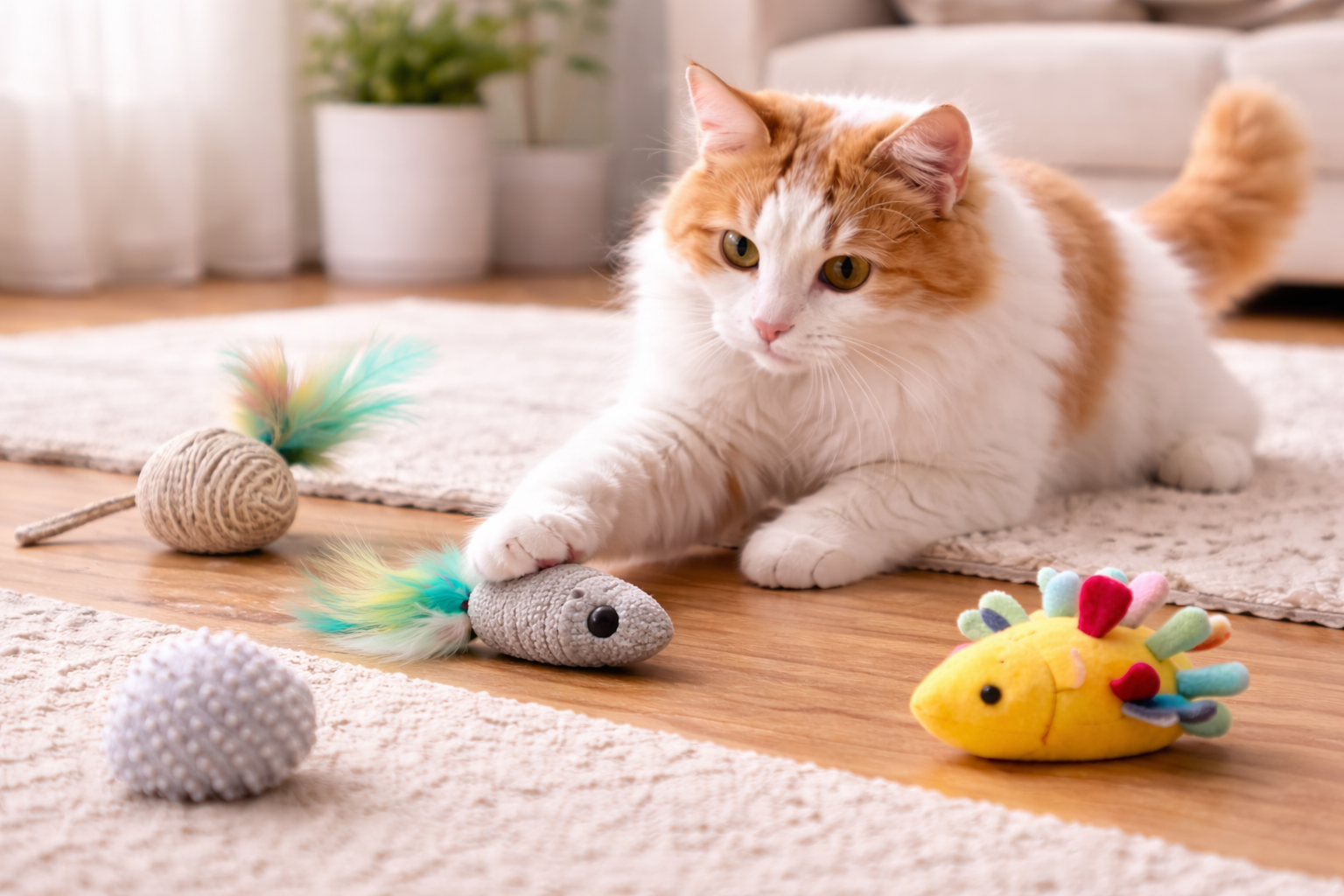
As modern living spaces become smaller and daily routines more complex, pet owners are paying closer attention to how toys affect both their cats and their homes. Noise, once considered an exciting feature in cat toys, is now often seen as a disruption. For this reason, many households are shifting toward silent self-play toys for cats, which provide stimulation without adding unnecessary sound to the environment.
Rather than relying on bells, rattles, or crinkle effects, these toys focus on motion, balance, and texture. By encouraging cats to play independently in a quiet way, they support enrichment while maintaining a peaceful atmosphere for people working, resting, or sharing space.
Cats are instinctively quiet animals. In nature, hunting depends on stealth and precision, not noise. Silent self-play toys for cats mirror this natural behavior by allowing movement and interaction without auditory stimulation.
Many cats actually become more focused when toys move silently. Without distracting sounds, they rely on sight, touch, and timing, which leads to more intentional play. This type of engagement often lasts longer and feels more satisfying to the cat.
 Supporting Independent Play Without Disturbance
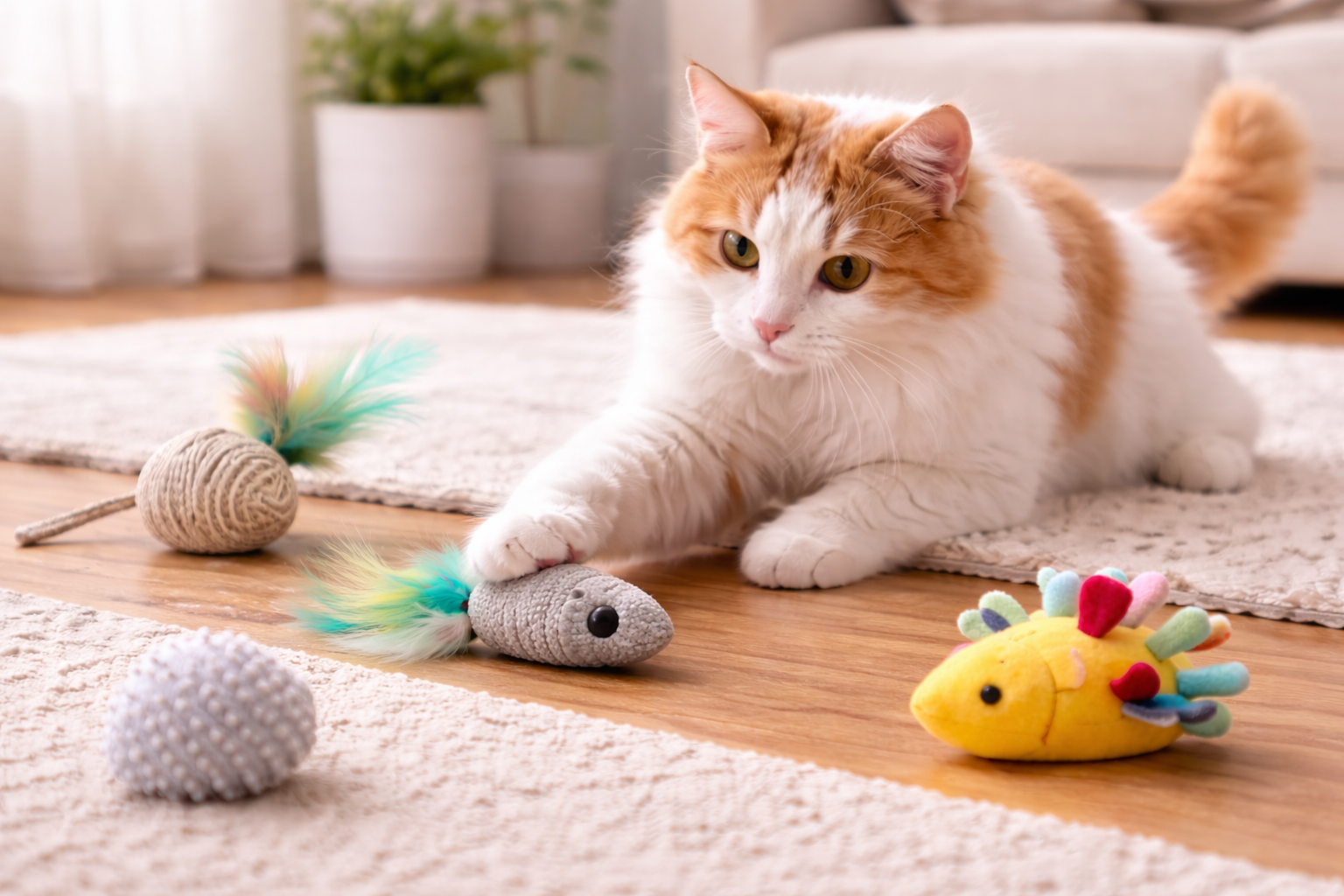
Self-play toys are designed to keep cats engaged when humans are busy or away. However, noisy toys can become a problem in shared living spaces. Silent self-play toys for cats solve this issue by allowing cats to entertain themselves without disturbing work calls, sleep, or neighbors.
These toys often feature slow-rolling motion, gentle resistance, or controlled rebound. Because cats can activate them with minimal force, play feels rewarding without becoming frantic or overwhelming.
Material choice is central to quiet design. High-quality silent self-play toys for cats typically use felt, dense fabric, soft foam, natural rubber, smooth nylon, or weighted interiors. These materials absorb impact and prevent clattering sounds on hard floors.
Texture replaces sound as the main source of sensory feedback. Subtle differences in surface feel—soft, smooth, slightly rough—give cats information through touch rather than noise. This makes play calmer but still mentally engaging.
Certain toy formats naturally lend themselves to quiet use. Floor toys that wobble or roll slowly are especially effective. Hanging toys attached to door frames or scratch posts can sway gently, creating visual movement without sound.
Puzzle-based designs are another strong option. When built without rattling components, puzzle toys challenge a cat’s problem-solving skills while remaining quiet. Silent self-play toys for cats in puzzle form are particularly beneficial for indoor cats that need mental stimulation throughout the day.
Indoor cats often have limited opportunities for exploration. Toys become a primary source of enrichment, but noise can lead owners to restrict playtime. Silent self-play toys for cats remove this limitation, allowing cats to engage freely without causing disruption.
In apartments, quiet toys also help maintain good relationships with neighbors. Reduced noise means cats can play at any hour without complaints, making silent toys especially attractive in urban environments.
Overstimulating toys can sometimes increase stress or lead to short, chaotic play sessions. In contrast, silent self-play toys for cats promote steady, focused interaction. Cats control the pace of play, which supports confidence and emotional balance.
Regular access to quiet play helps reduce boredom-related behaviors such as excessive scratching, nighttime restlessness, or attention-seeking vocalization. Over time, this leads to a calmer household and a more content cat.
From a product development standpoint, silent self-play toys for cats represent a growing niche with strong market potential. These toys align with trends toward wellness, minimalism, and intentional design.
Manufacturing silent toys often requires fewer mechanical parts, which simplifies production and quality control. Lightweight, quiet designs also reduce shipping costs, making them ideal for wholesale and private-label programs.
Customization opportunities are extensive. Brands can adjust shape, texture, color, and difficulty level while maintaining silence as a core feature. This flexibility allows silent self-play toys for cats to fit into a wide range of product lines, from entry-level to premium collections.
Pet owners today are not only buying products for their cats—they are designing lifestyles. Quiet, thoughtful toys reflect this shift. Silent self-play toys for cats meet the needs of both animals and humans by offering enrichment that respects modern living conditions.
As awareness grows around feline mental health and environmental harmony, demand for silent play solutions continues to rise. These toys represent a future-focused approach to cat enrichment, where quality of interaction matters more than volume.
Tel: Phone / WhatsApp: +86 13718368168
Email: Email: info@fukapets.com

 KR
KR JP
JP EN
EN