
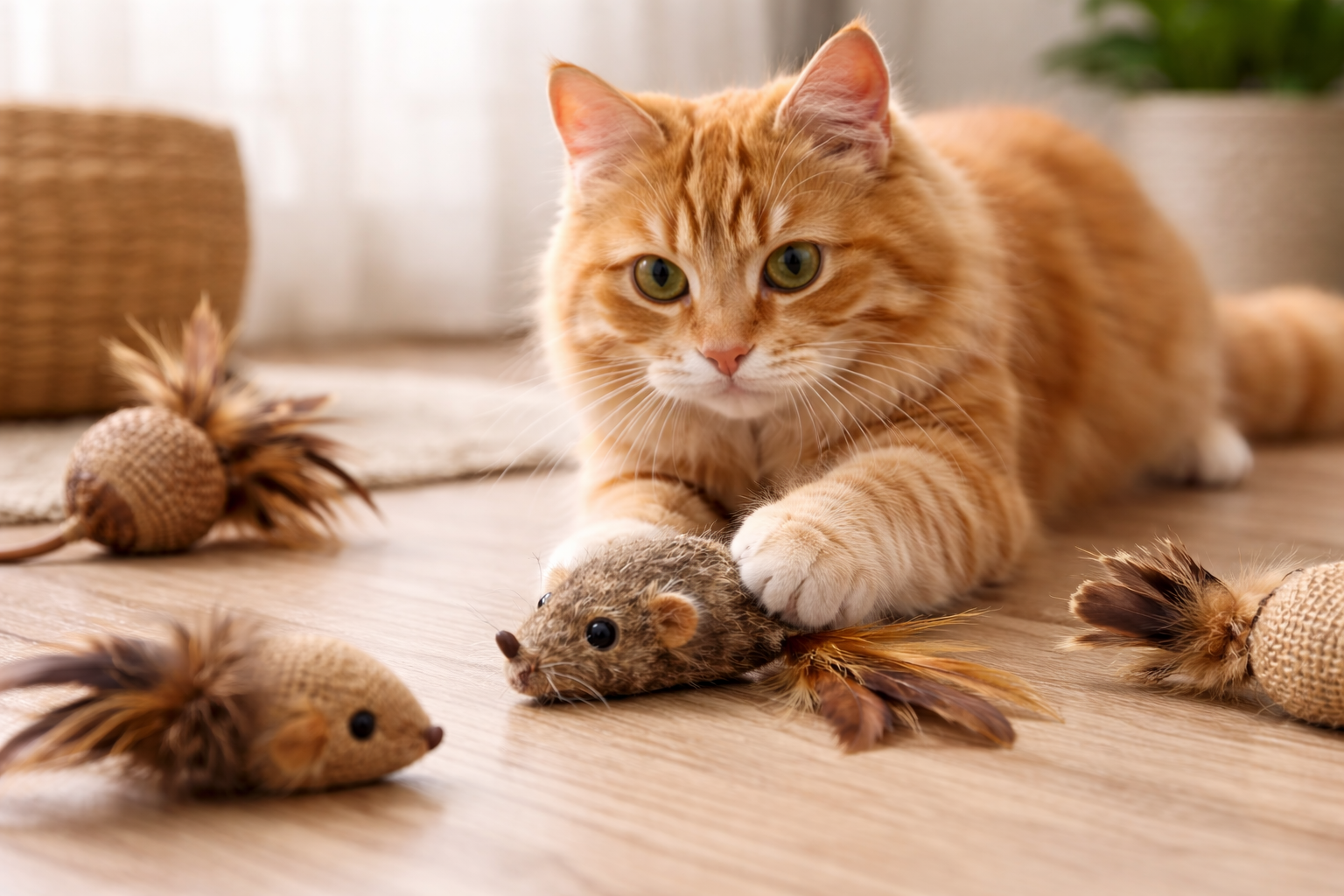
As the global pet care industry continues to evolve, pet owners are paying closer attention to the emotional and behavioral needs of their animals. In response to this shift, manufacturers and brands are increasingly focusing on biologically informed product design. Among these innovations, the Natural prey cat toy has emerged as a notable solution for addressing the instinctive needs of domestic cats, particularly those living indoors.
This development reflects a broader industry trend: moving away from novelty-driven pet products toward enrichment tools grounded in animal behavior science.
According to recent industry observations, indoor cats now represent a significant portion of the global feline population. While indoor living offers safety and longevity, it also reduces opportunities for natural behaviors such as hunting and stalking.
Experts note that insufficient stimulation can contribute to behavioral issues, including anxiety, inactivity, and obesity. As a result, demand has increased for products that support natural feline behavior in controlled environments. The Natural prey cat toy addresses this need by replicating the movement, texture, and resistance of prey animals in a safe and sustainable format.
Unlike conventional toys that rely on bright colors, electronic motion, or sound effects, a Natural prey cat toy is designed with biological realism in mind. These toys typically feature:
Subtle, irregular movement patterns
Lightweight structures that allow biting and carrying
Materials that mimic natural prey textures
Minimal artificial noise to maintain focus
By encouraging cats to stalk, chase, capture, and “complete” the play cycle, these toys align more closely with natural hunting behavior.
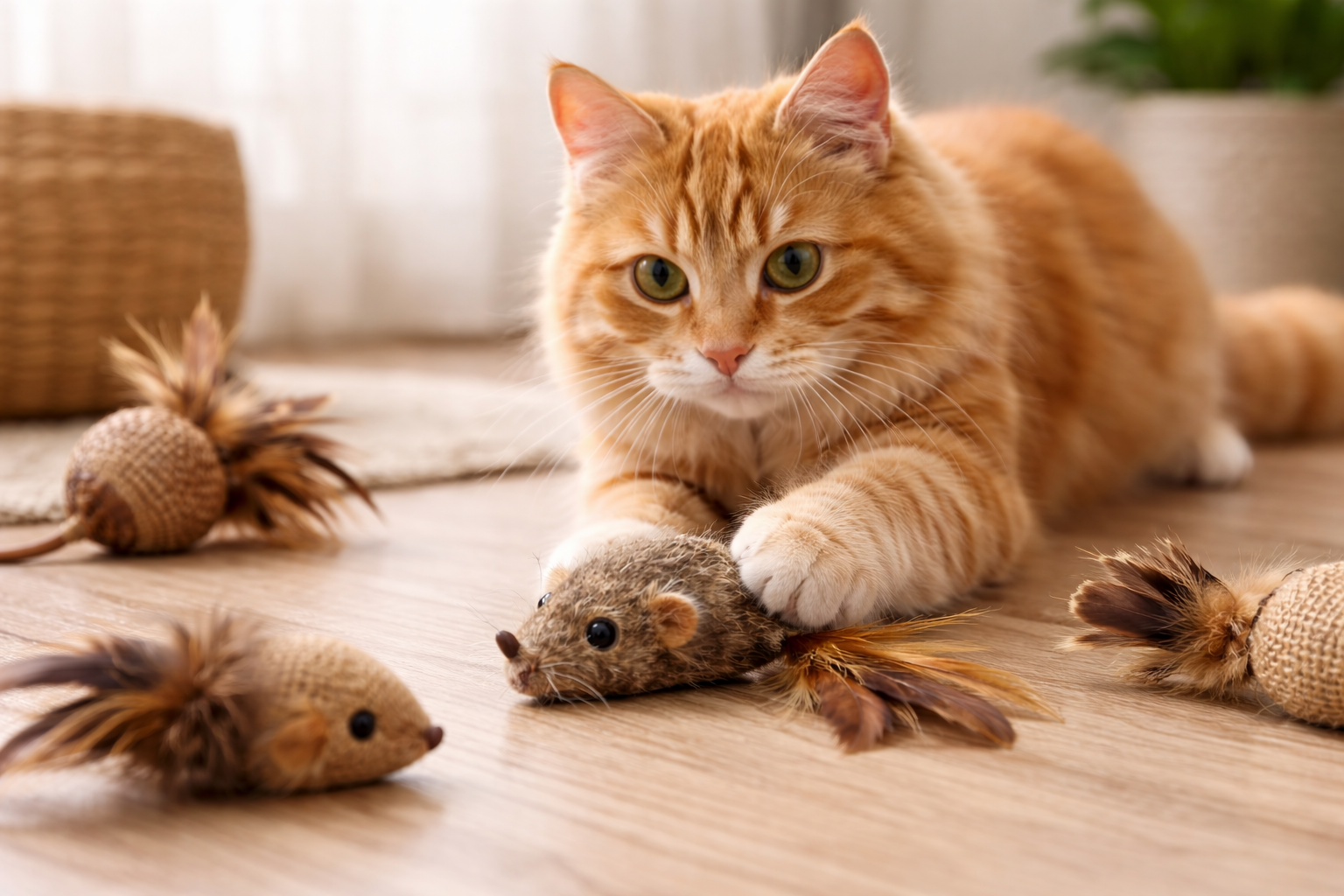 Behavioral Benefits Observed in Indoor Cats
Industry professionals and pet behavior specialists have increasingly emphasized the importance of completing the full hunting sequence during play. When this sequence is interrupted—common with laser pointers or automated toys—cats may experience frustration rather than satisfaction.
The Natural prey cat toy supports all stages of the hunt, which has been associated with:
Reduced stress-related behaviors
Improved sleep patterns
Greater emotional balance
Increased engagement during play sessions
These outcomes position prey-inspired toys as functional enrichment tools rather than simple entertainment items.
For pet product manufacturers, the rise of the Natural prey cat toy signals a shift in consumer expectations. Modern pet owners increasingly evaluate products based on long-term wellness benefits, material safety, and ethical production.
Brands incorporating prey-inspired designs are aligning their product portfolios with values such as:
Animal-centric design
Sustainable material sourcing
Durability and long-term use
Evidence-informed functionality
This approach not only enhances product credibility but also strengthens brand trust in competitive global markets.
Sustainability has become an important factor in purchasing decisions across the pet industry. Many Natural prey cat toy designs now utilize:
Recycled or renewable materials
Non-toxic dyes and fillers
Reduced plastic components
These choices support both environmental responsibility and animal safety, reinforcing the role of prey-inspired toys as premium, responsible products.
From a practical perspective, prey-style toys are designed to integrate seamlessly into daily routines. Short, structured play sessions—typically 10 to 15 minutes—are sufficient to provide both physical exercise and mental stimulation.
Veterinary professionals often recommend pairing play with feeding schedules, reflecting the natural hunt–eat–rest cycle. In this context, the Natural prey cat toy becomes part of a holistic approach to feline wellness rather than a standalone accessory.
As pet humanization continues to influence purchasing behavior, products that prioritize emotional health and instinctive satisfaction are expected to see sustained growth. The Natural prey cat toy represents a broader category of enrichment-focused products likely to shape the future of cat care.
Industry analysts suggest that brands investing in behavior-driven innovation will be better positioned to meet evolving consumer expectations in both established and emerging markets.
The increasing adoption of the Natural prey cat toy highlights a meaningful transition within the pet products industry—from stimulation-based play toward instinct-respecting enrichment. By supporting natural feline behavior, these toys contribute to healthier, calmer, and more engaged cats while aligning with modern values of sustainability and responsible design.
As the market continues to mature, instinct-driven solutions are expected to play a central role in defining the next generation of cat care products.
Tel: Phone / WhatsApp: +86 13718368168
Email: Email: info@fukapets.com

 KR
KR JP
JP EN
EN