
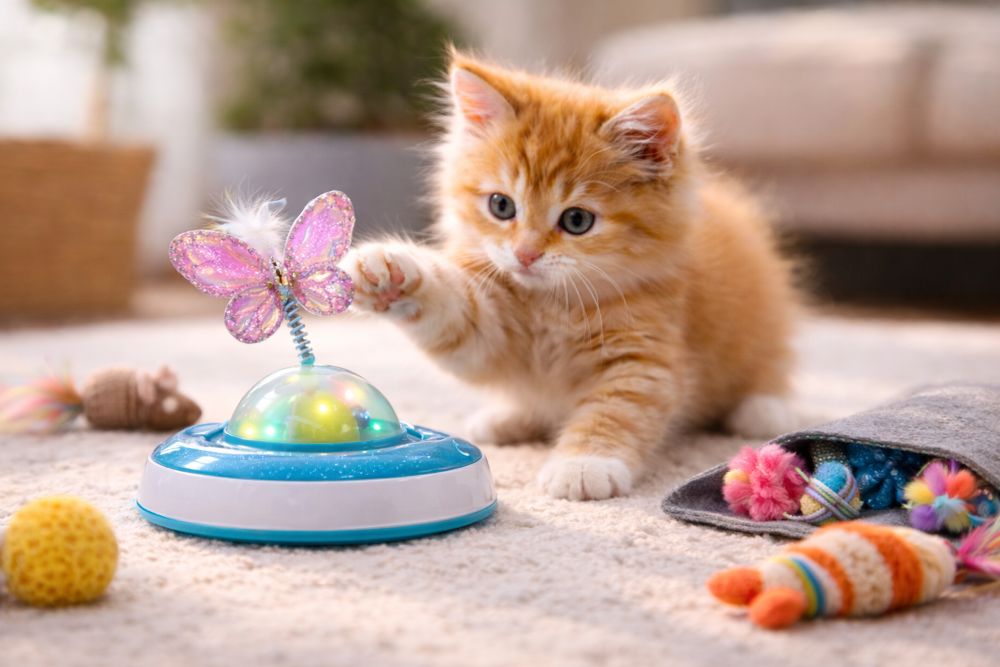
Many cats spend long hours alone while their owners work or travel. Although cats are known for independence, extended solitude can still lead to emotional stress and behavioral changes. Choosing the right cat toys for lonely cats is one of the most effective ways to provide comfort, stimulation, and a sense of companionship when no one is home.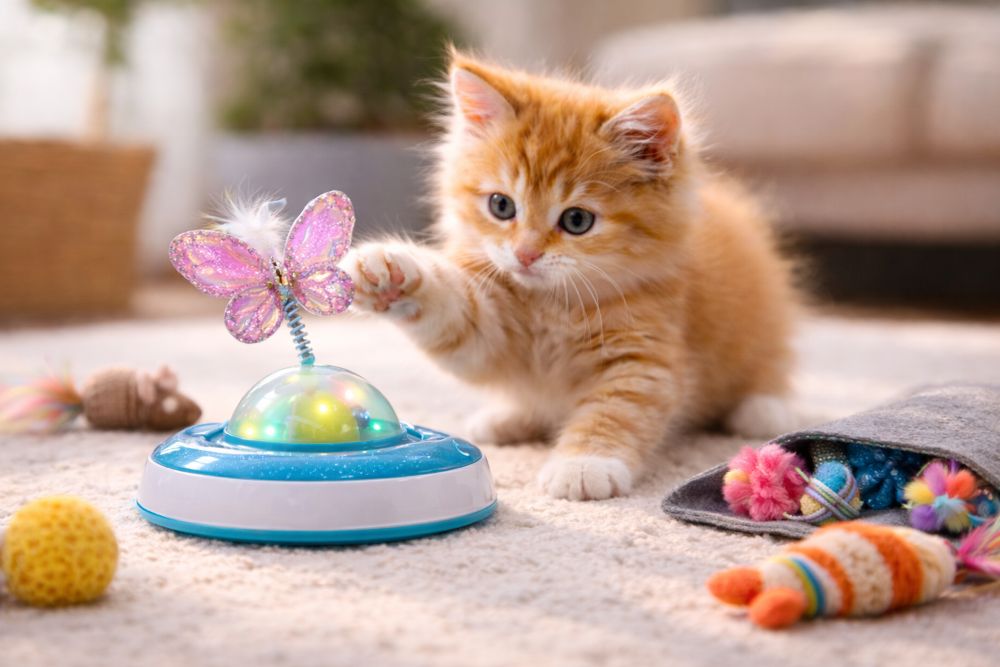
Loneliness in cats often appears quietly. A cat may sleep more than usual, lose interest in play, or become overly vocal at night. Proper toys can transform empty hours into meaningful activity, helping cats feel less isolated and more emotionally balanced.
Cats form strong attachments to their environment and routines. When daily interaction suddenly decreases, loneliness can develop. The absence of stimulation removes opportunities to hunt, explore, and release energy.
Well-designed cat toys for lonely cats help recreate these missing experiences. Toys that respond to touch, movement, or scent give cats something to focus on, replacing idle time with purposeful play.
Addressing loneliness early helps prevent long-term stress behaviors such as excessive grooming, scratching, or withdrawal.
Play is not just physical exercise—it is emotional regulation. The right cat toys for lonely cats allow cats to express instincts safely while also providing reassurance through familiarity.
Toys become part of a cat’s emotional environment. A familiar texture, shape, or scent can act as a comfort object, especially during quiet hours. Over time, cats with access to consistent solo-play options tend to show improved mood and more relaxed behavior when owners return home.
Lonely cats benefit from toys that encourage independent play without human involvement. The best cat toys for lonely cats activate with a simple paw tap or bite, allowing cats to control their own play sessions.
Rolling toys, soft kick toys, and enrichment-based designs allow cats to engage at their own pace. This autonomy builds confidence and reduces frustration, especially in single-cat households.
Independent play also supports a healthier daily rhythm, balancing activity and rest.
For cats that spend long hours alone, calmness matters. Loud or overly stimulating toys can increase anxiety rather than relieve it. Many owners prefer cat toys for lonely cats that offer quiet interaction.
Soft fabric toys, felt designs, and silent rolling toys allow cats to play without sudden noise. These toys create a peaceful environment that supports emotional stability rather than overstimulation.
Quiet toys are particularly suitable for sensitive cats or apartment living.
Mental engagement is essential for cats experiencing loneliness. Puzzle toys and enrichment designs are among the most effective cat toys for lonely cats because they give cats a task to focus on.
Hidden treats, textured surfaces, and scent-infused elements encourage exploration and problem-solving. Mental challenges help redirect attention away from absence-related stress and toward curiosity-driven play.
A mentally stimulated cat is less likely to display boredom-driven behaviors.
Lonely cats often move less, which can negatively affect both physical and emotional health. The right cat toys for lonely cats encourage gentle movement throughout the day.
Chasing, batting, and kicking motions help release tension while maintaining muscle tone and coordination. Even short bursts of activity can significantly improve mood and reduce restlessness.
Regular movement also supports healthy weight management, especially for indoor cats.
Every cat responds to loneliness differently. Selecting the right cat toys for lonely cats requires understanding individual personality and energy level.
Some cats prefer soft toys they can cuddle or kick, while others enjoy interactive rolling toys or puzzle-based enrichment. Senior cats may benefit from gentle toys that promote comfort rather than high activity.
Observing how a cat reacts to different play styles helps refine toy selection over time.
Leaving the same toys out every day can reduce interest. Rotating cat toys for lonely cats keeps the environment fresh and engaging.
By alternating toys every few days, owners can maintain novelty without overwhelming the cat. A toy that disappears temporarily often regains excitement when reintroduced.
Toy rotation also prevents overstimulation and clutter, creating a calmer living space.
Cats with consistent access to enrichment-focused toys show better emotional resilience. The right cat toys for lonely cats support independence while reducing feelings of isolation.
Over time, these cats often display:
Improved sleep patterns
Reduced anxiety behaviors
Greater confidence and curiosity
For modern pet owners, enrichment toys are essential tools for responsible indoor cat care, not optional extras.
Choosing the right cat toys for lonely cats is a powerful way to support emotional health during long periods alone. Safe materials, quiet interaction, and thoughtful design help cats stay engaged, confident, and comforted. With the right toys, loneliness becomes manageable, and alone time turns into an opportunity for calm, enriching play.
Tel: Phone / WhatsApp: +86 13718368168
Email: Email: info@fukapets.com

 KR
KR JP
JP EN
EN