
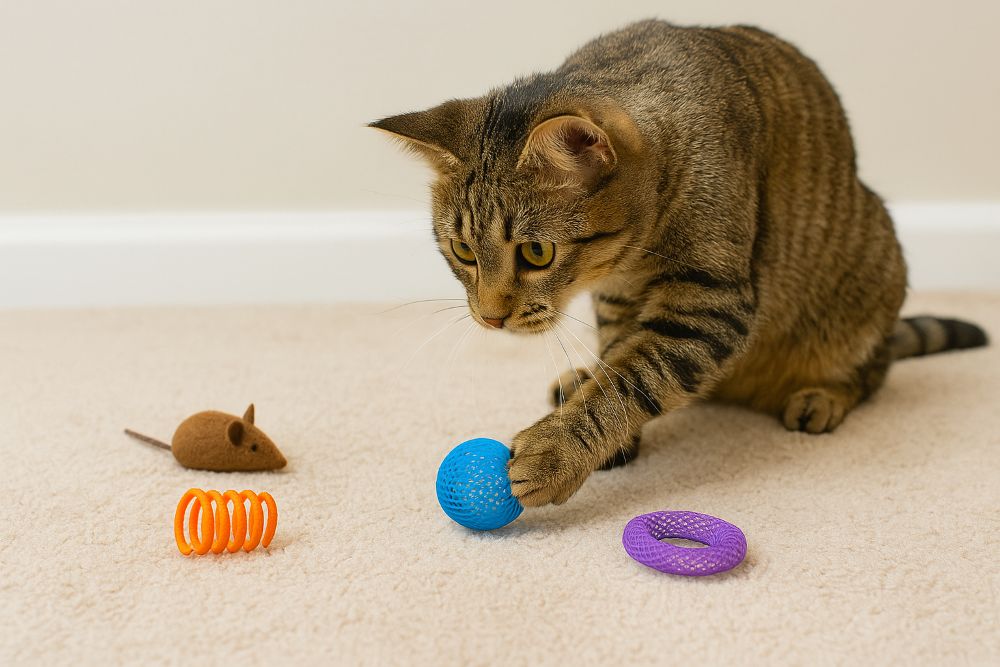
Modern cat owners are increasingly aware that play is not just a pastime for cats, but a vital part of their physical and emotional health. With busy work schedules and changing lifestyles, many people actively search for cat toys for independent play that allow their pets to stay engaged even when humans are not available. These toys are designed to encourage self-guided activity, helping cats remain active, curious, and mentally stimulated throughout the day.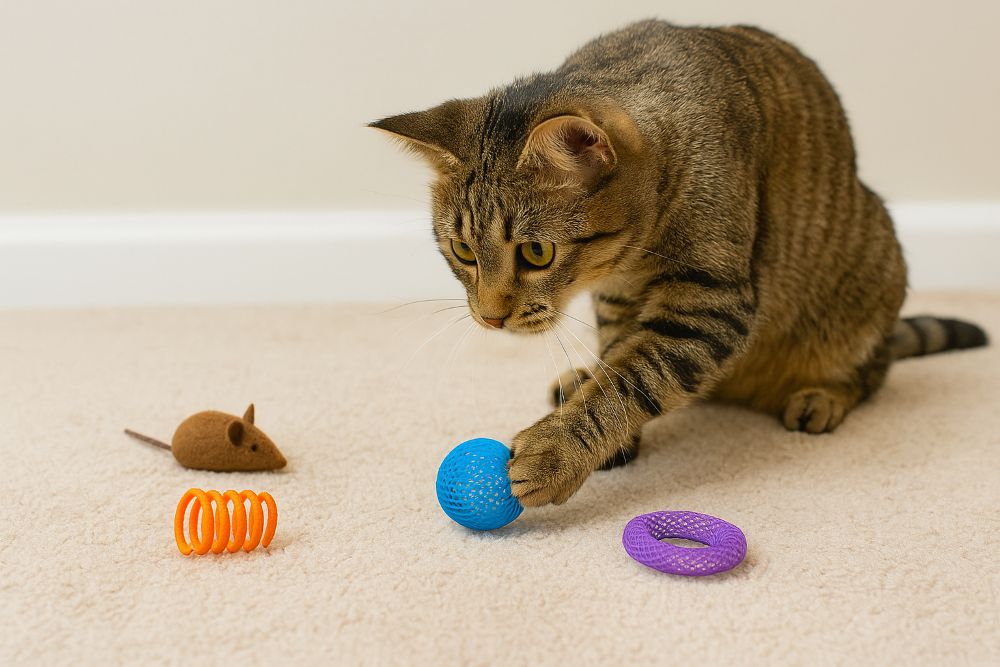
Cats are natural hunters with strong instincts to chase, stalk, pounce, and explore. When these instincts are not fulfilled, boredom and frustration can develop, often leading to unwanted behaviors such as scratching furniture, excessive vocalization, or nighttime restlessness. This is why cat toys for independent play are especially important for indoor cats, who rely heavily on their environment for stimulation.
One of the defining advantages of cat toys for independent play is their ability to function without human involvement. Unlike wand toys or laser pointers that require direct interaction, independent toys are built to move, roll, bounce, or react to touch in ways that keep cats interested on their own. Simple designs such as rolling balls, mesh rings, spiral toys, or soft fabric loops can provide long-lasting entertainment by creating unpredictable motion that mimics prey behavior.
Material choice plays a key role in the effectiveness of cat toys for independent play. Lightweight yet durable materials such as mesh, felt, soft rubber, and reinforced fabric allow toys to respond naturally to a cat’s movements. These materials are also quieter than hard plastic, making them suitable for apartments and nighttime use. For cats that enjoy chewing or kicking, flexible textures provide resistance without breaking easily, extending the toy’s lifespan.
Another important aspect of cat toys for independent play is safety. Since cats often interact with these toys unsupervised, high-quality construction is essential. Secure stitching, non-toxic materials, and the absence of small detachable parts help reduce risks. Well-designed independent toys prioritize durability while remaining gentle on a cat’s teeth and claws, giving owners peace of mind.
Mental stimulation is just as important as physical exercise, and cat toys for independent play often combine both. Puzzle-style toys, treat-dispensing designs, and textured surfaces encourage cats to think, experiment, and problem-solve. These toys slow down play in a healthy way, preventing overstimulation while keeping the cat focused. Mental engagement is particularly beneficial for intelligent or high-energy cats that quickly lose interest in simple toys.
For cats that spend long hours alone, cat toys for independent play help maintain emotional balance. Solo play provides a form of self-soothing, allowing cats to release energy and reduce stress without relying on constant attention. Over time, cats that have access to engaging independent toys often display calmer behavior and improved confidence, even in multi-pet households.
Rotation is a key strategy when using cat toys for independent play. Introducing too many toys at once can overwhelm cats or reduce novelty. Instead, rotating a small selection every few days keeps the environment fresh and exciting. This approach maximizes engagement without increasing clutter, and it helps cats rediscover toys as if they were new.
From a health perspective, cat toys for independent play support weight management and muscle development. Indoor cats are especially prone to inactivity, which can lead to obesity and related health issues. Toys that encourage chasing, stretching, and paw coordination promote daily movement in a natural and enjoyable way. Even short bursts of solo play throughout the day can have long-term benefits for a cat’s physical condition.
In the pet industry, cat toys for independent play have become a major focus for both brands and consumers. Shoppers increasingly look for toys that combine enrichment, durability, and convenience. Clear product descriptions that explain how a toy supports independent play, along with demonstrations of movement and texture, help buyers make informed decisions. As a result, independent play toys often enjoy strong repeat purchases and positive reviews.
Sustainability is another growing consideration. Many owners prefer cat toys for independent play made from long-lasting or recyclable materials, reducing waste from frequently discarded toys. Durable designs not only benefit the environment but also offer better value over time, making them appealing to both individual buyers and wholesale customers.
Ultimately, cat toys for independent play are more than simple accessories. They are enrichment tools that respect a cat’s natural instincts while fitting seamlessly into modern lifestyles. By providing opportunities for solo exploration, movement, and mental challenge, these toys help cats live healthier, more balanced indoor lives.
Choosing the right independent play toys is an investment in a cat’s long-term well-being. With thoughtful design, safe materials, and proper rotation, cat toys for independent play can transform everyday moments into meaningful enrichment, even when no one is watching.
Tel: Phone / WhatsApp: +86 13718368168
Email: Email: info@fukapets.com

 KR
KR JP
JP EN
EN